Somewhere between the obsession with minimalism and the pressure to scale globally, brands lost their personalities.
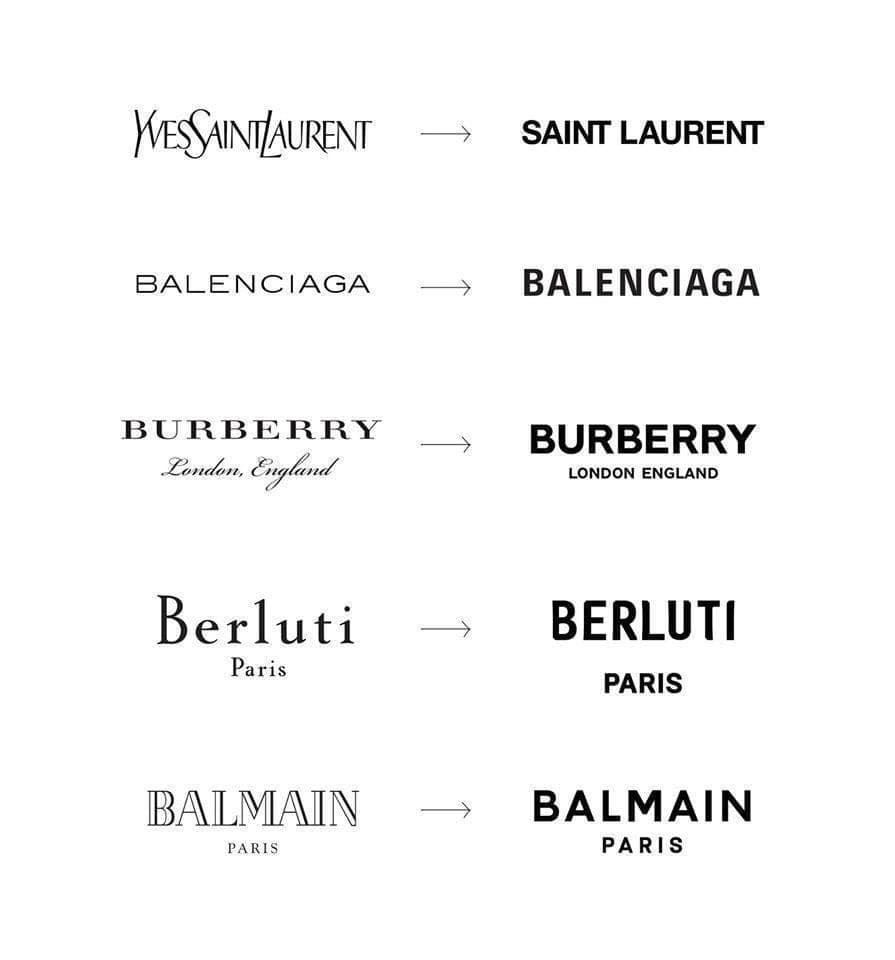
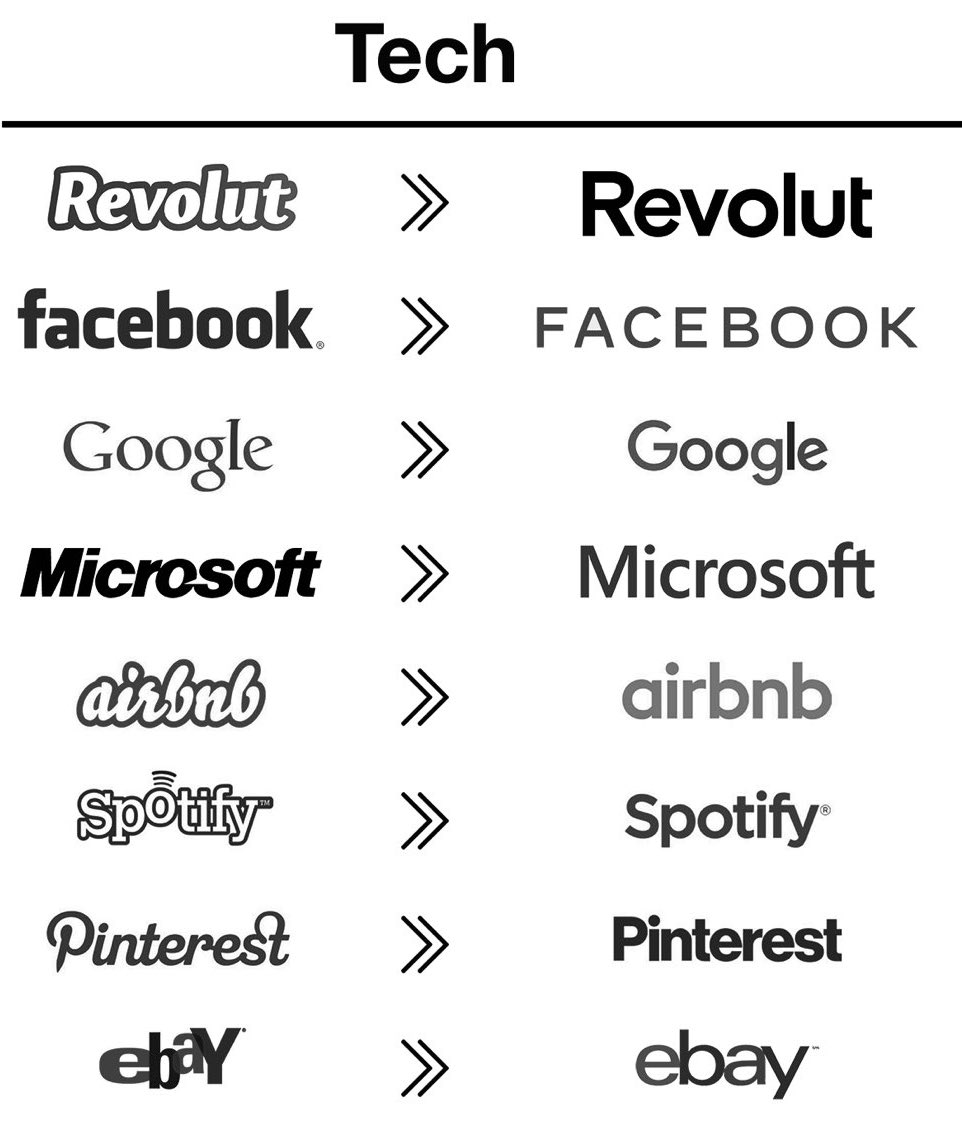
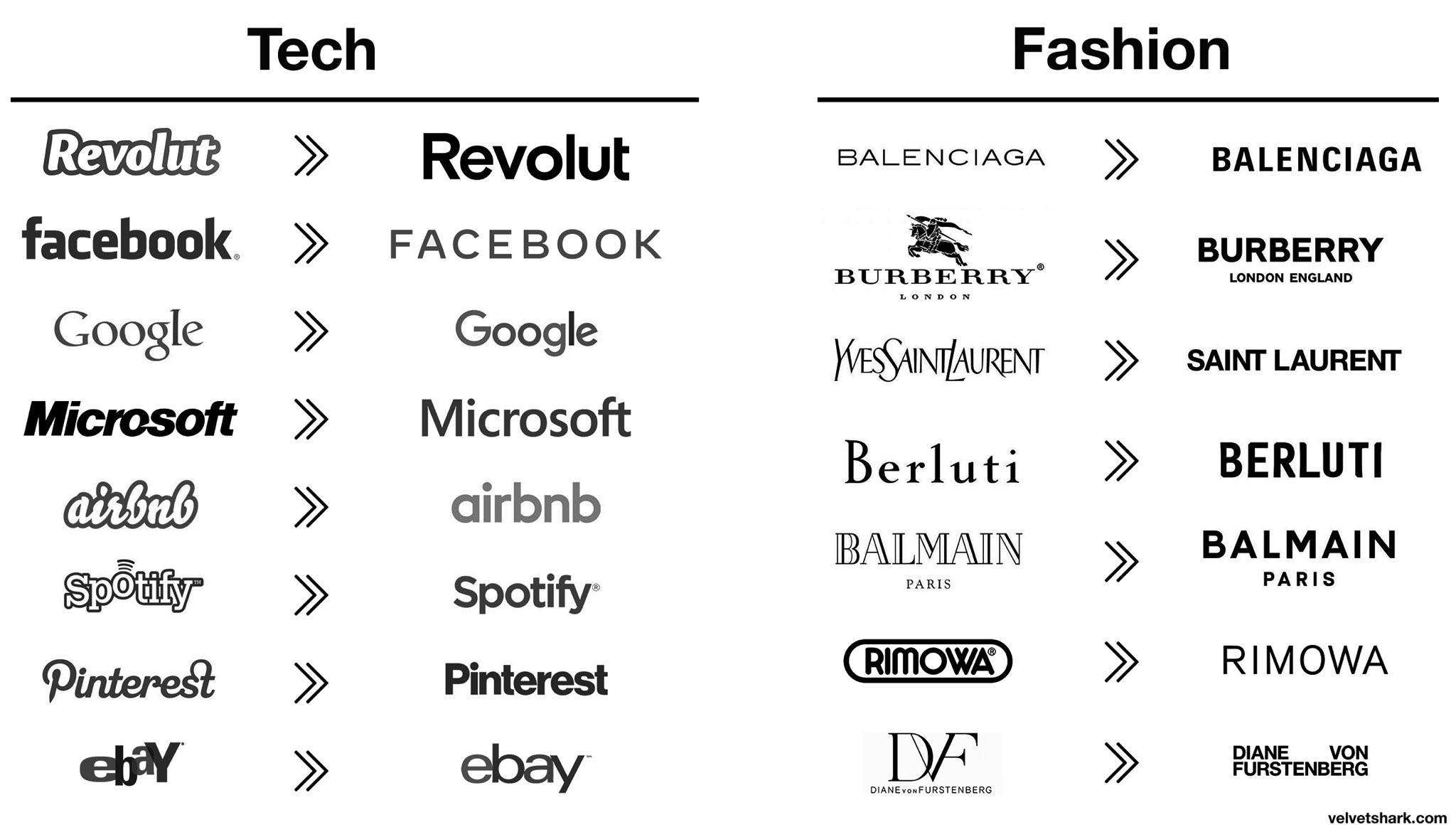
Saint Laurent, Balenciaga, Burberry, Balmain — luxury houses that once had distinct, carefully crafted identities have all quietly converged on the same clean, bold, sans-serif wordmark. Open any tech app and the pattern repeats. Revolut, Spotify, Airbnb, eBay — the quirks have been sanded off, replaced by something legible, neutral, and instantly forgettable.
But it doesn’t stop at logos.
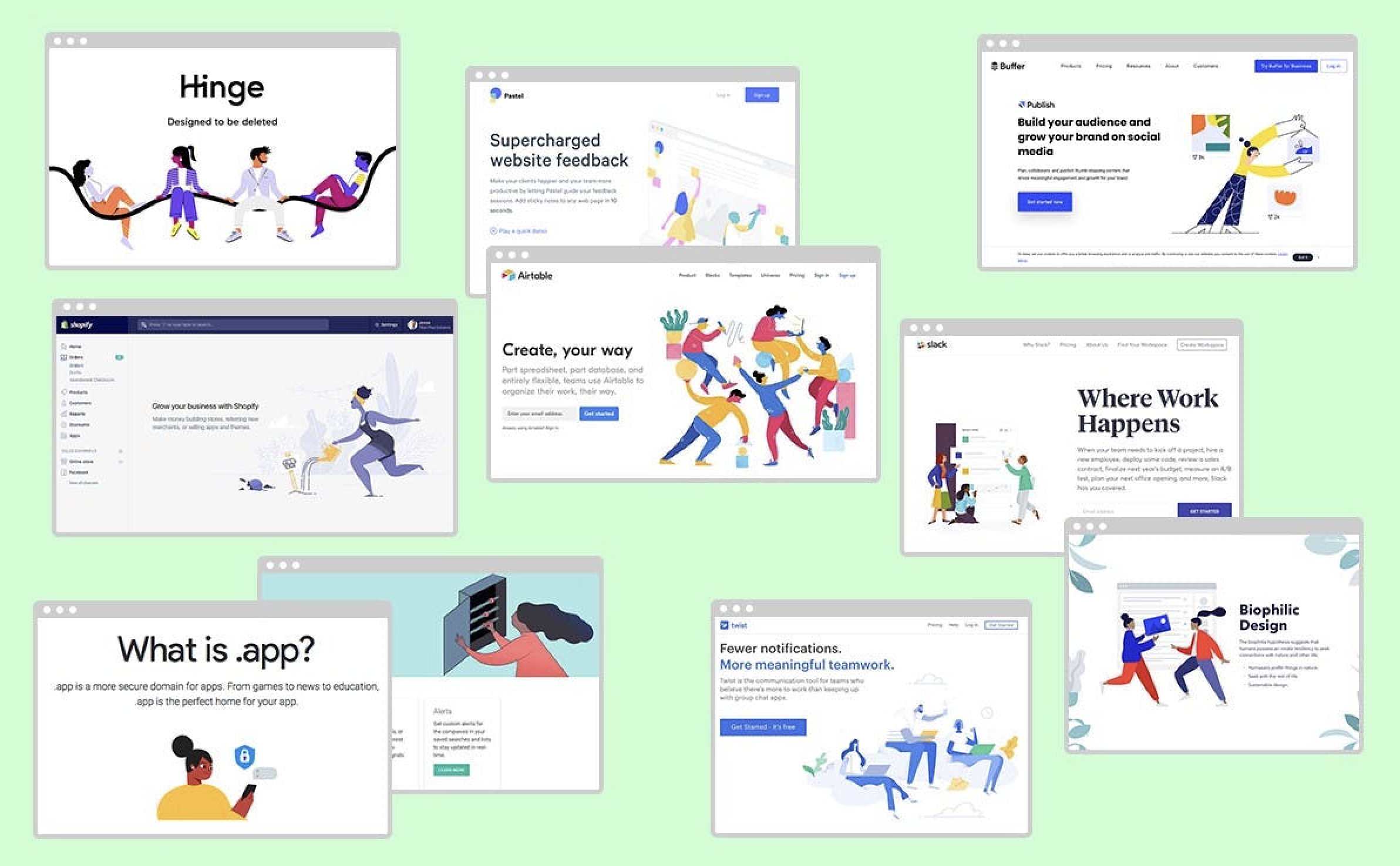
Visit any tech startup website and you’re greeted by the same Corporate Memphis illustrations — flat, limbless, geometric figures that Facebook pioneered and every brand from Slack to United Airlines has since copied.
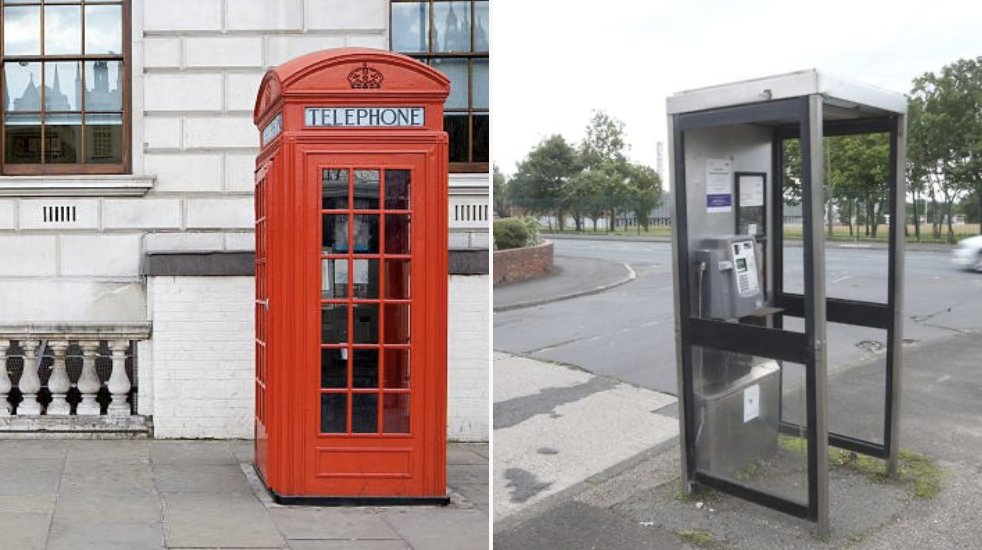
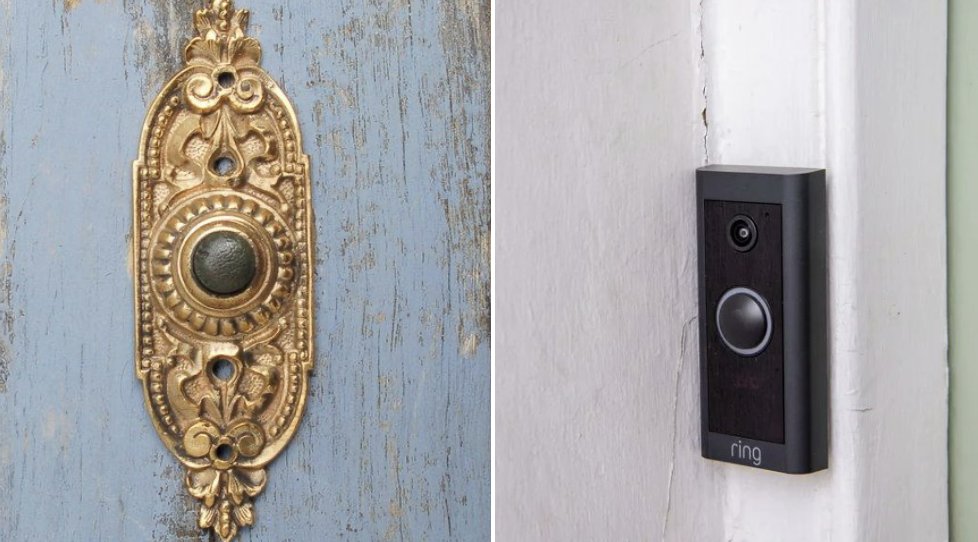
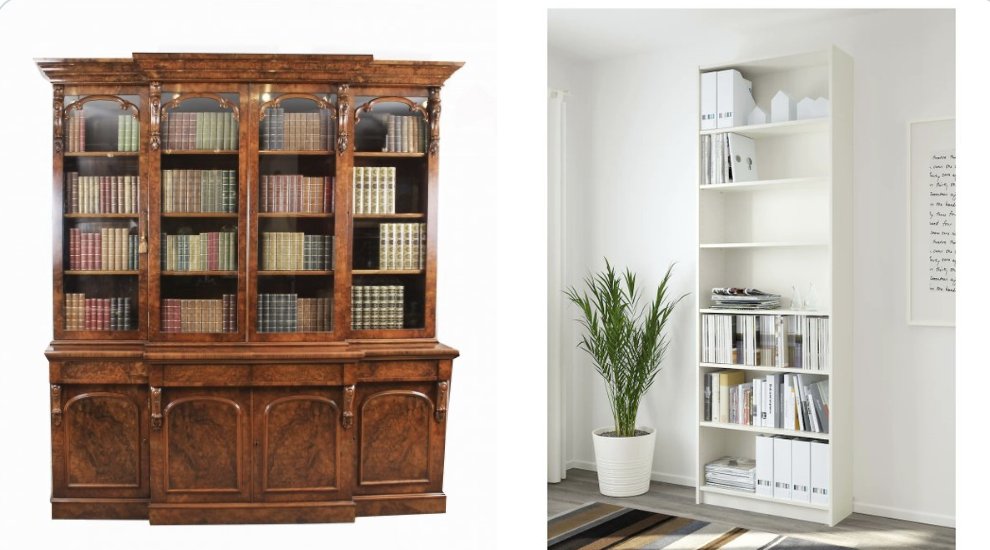
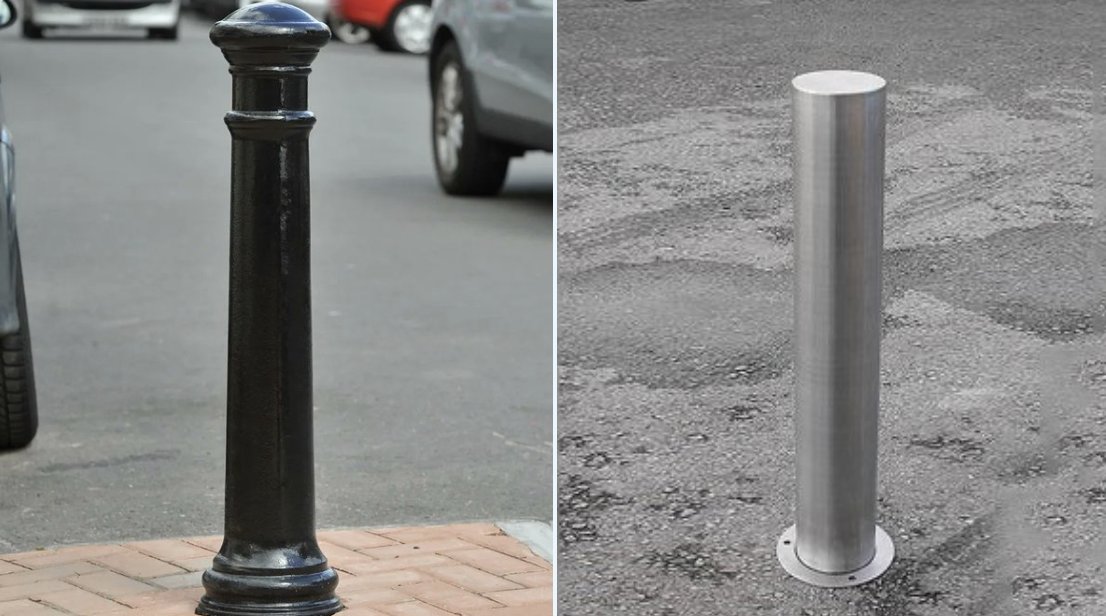
Drive through any new neighborhood and the houses look like they were designed by the same algorithm: white siding, black window frames, glass garage doors. Doorbells, bookshelves, street bollards, phone booths — all converging on the same aesthetic. Even contemporary novels are starting to read like they were written by the same cautious, workshop-trained hand.
This isn’t a coincidence. It’s a symptom of something much larger — a global homogenization of design, culture, and creative identity playing out across every industry simultaneously.
Writer and thinker David Perell sparked a fascinating discussion about exactly what’s driving this — and the debate pulled in designers, architects, writers, and critics who all recognized the same uncomfortable pattern immediately.
Check out the analysis below.
1.
What’s causing all these logos to look the same?
– @david_perell
❤️ 216.4K
2.
My best guess comes down to two factors: software and the Internet.
1) Software: Designers are using the same tools, which exert the same unconscious forces on their creative process.
2) The Internet: Aesthetic diversity is bound to fall in such a hyper-connected world.
– @david_perell
❤️ 15.3K
3.
Something to factor into your answer: The homogenization doesn’t end with logos. It’s happening to phone booths, doorbells, street poles, and bookshelves too.
(h/t @culturaltutor)
– @david_perell
❤️ 18.5K
4.
Two interesting responses:
• “This is what happens when the creative dept is overrun by the marketing dept. Being data driven is the death of art.” — @cfcreative_
• “All businesses are online now and sans serif is among the easiest font set to read online.” —
@CartuneNetwerk
– @david_perell
❤️ 17.3K
5.
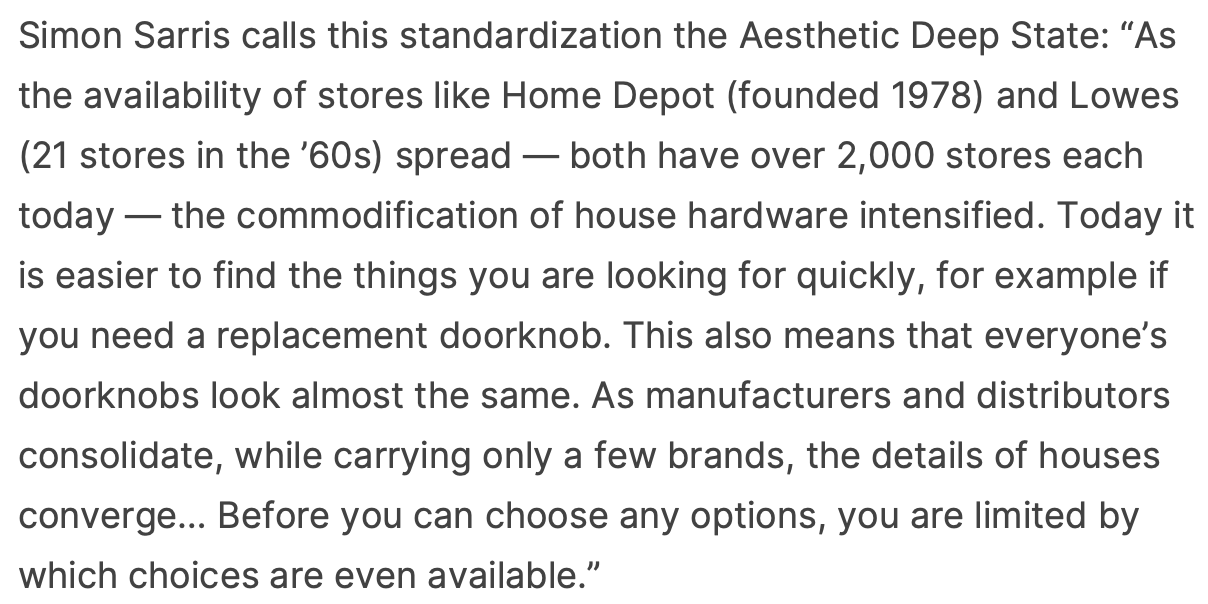
Though we’ve never had so many options, we all trust the same curators to make buying decisions for us. Sometimes, it’s Wirecutter. Sometimes, it’s the mass-scale department stores that homogenize the world while advertising the illusion of choice.
@SimonSarris explains it well.
– @david_perell
❤️ 4.2K
6.
The homogenization of tech logos.
– @david_perell
❤️ 19.6K
7.
How much of these homogenization trends come from trying to quantify beauty?
Robert Pirsig argued that quality can’t be defined because it transcends language when he wrote: “When analytic thought, the knife, is applied to experience, something is always killed in the process.”
– @david_perell
❤️ 4.7K
8.
As a society, it’s as if we’ve read too many blog posts about the 80/20 rule. When you strip away too much of the non-essential, you lose the kind of craftsmanship that endows an object with soul and makes life feel meaningful.
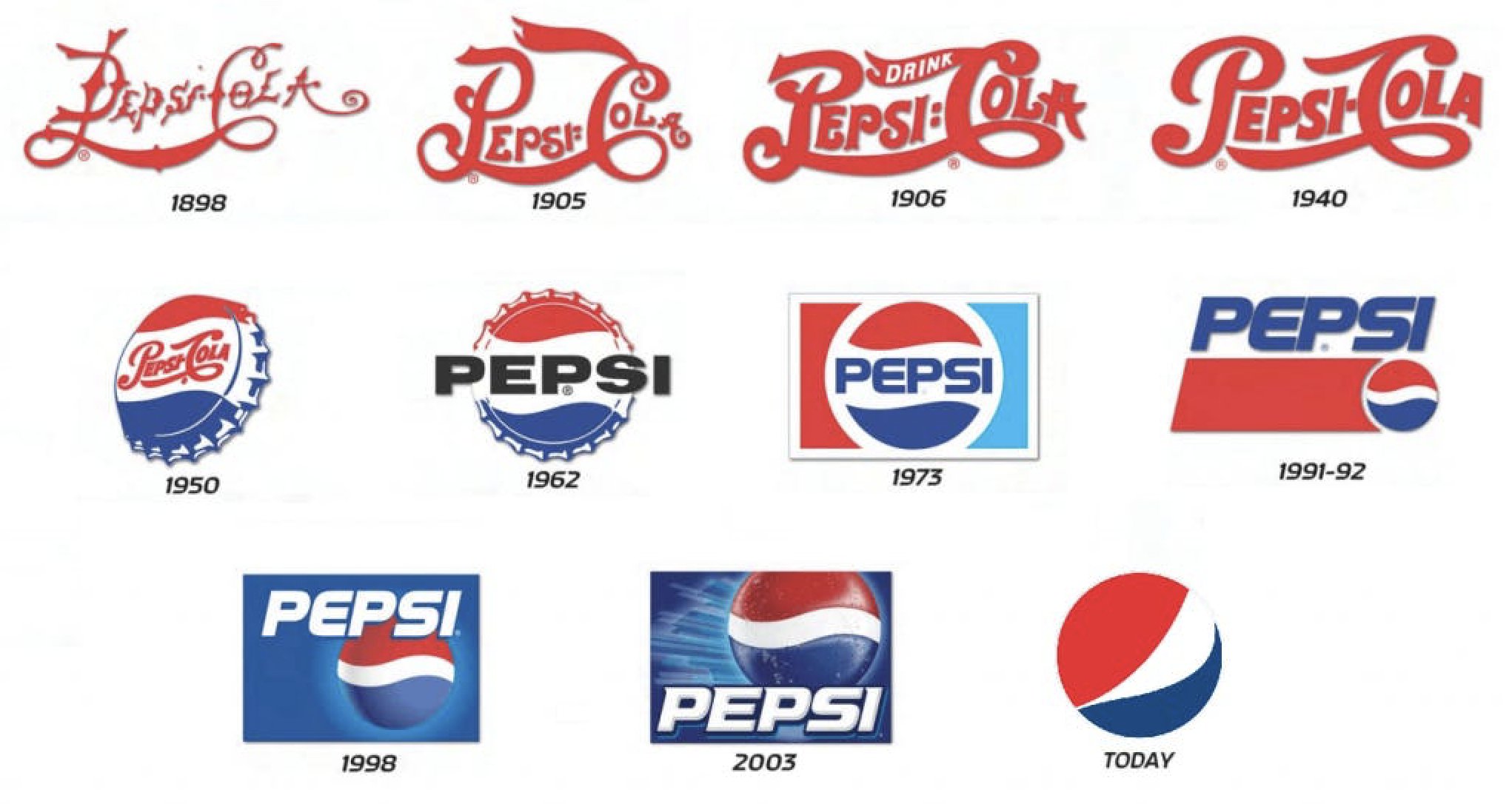
Look at how Pepsi’s logo has evolved. The brand identity has become flat, bland, sterile, timid and unimaginative.
Maybe globalization is to blame. The more you scale, the more you need to appeal to different kinds of people, which sucks the personality out of what you’re doing.
– @david_perell
❤️ 8.8K
10.
Writers aren’t immune to these trends. It seems like every non-fiction book follows the same blueprint of simple words, short sentences, and research papers to justify every obvious intuition.
And yeah, it’s efficient, but where are the unhinged Hunter S. Thompsons of the world?
– @david_perell
❤️
11.
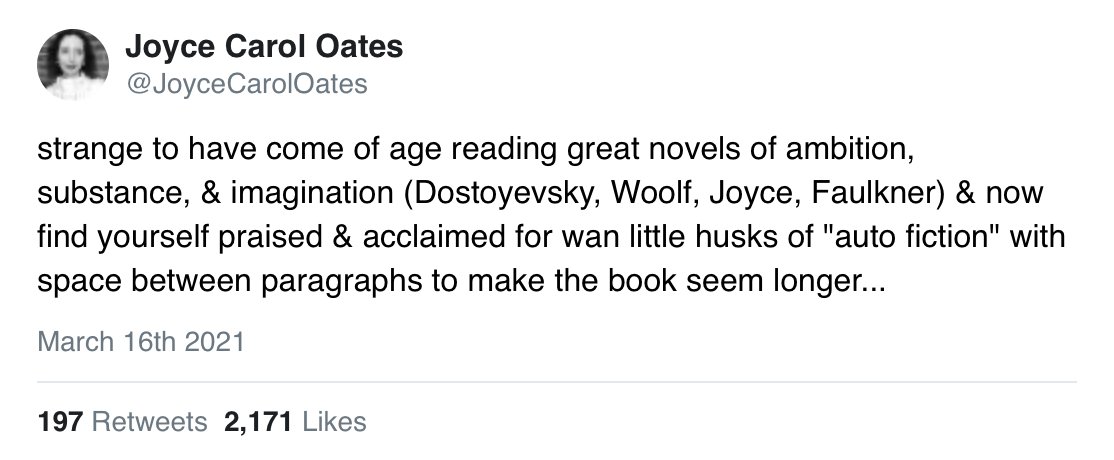
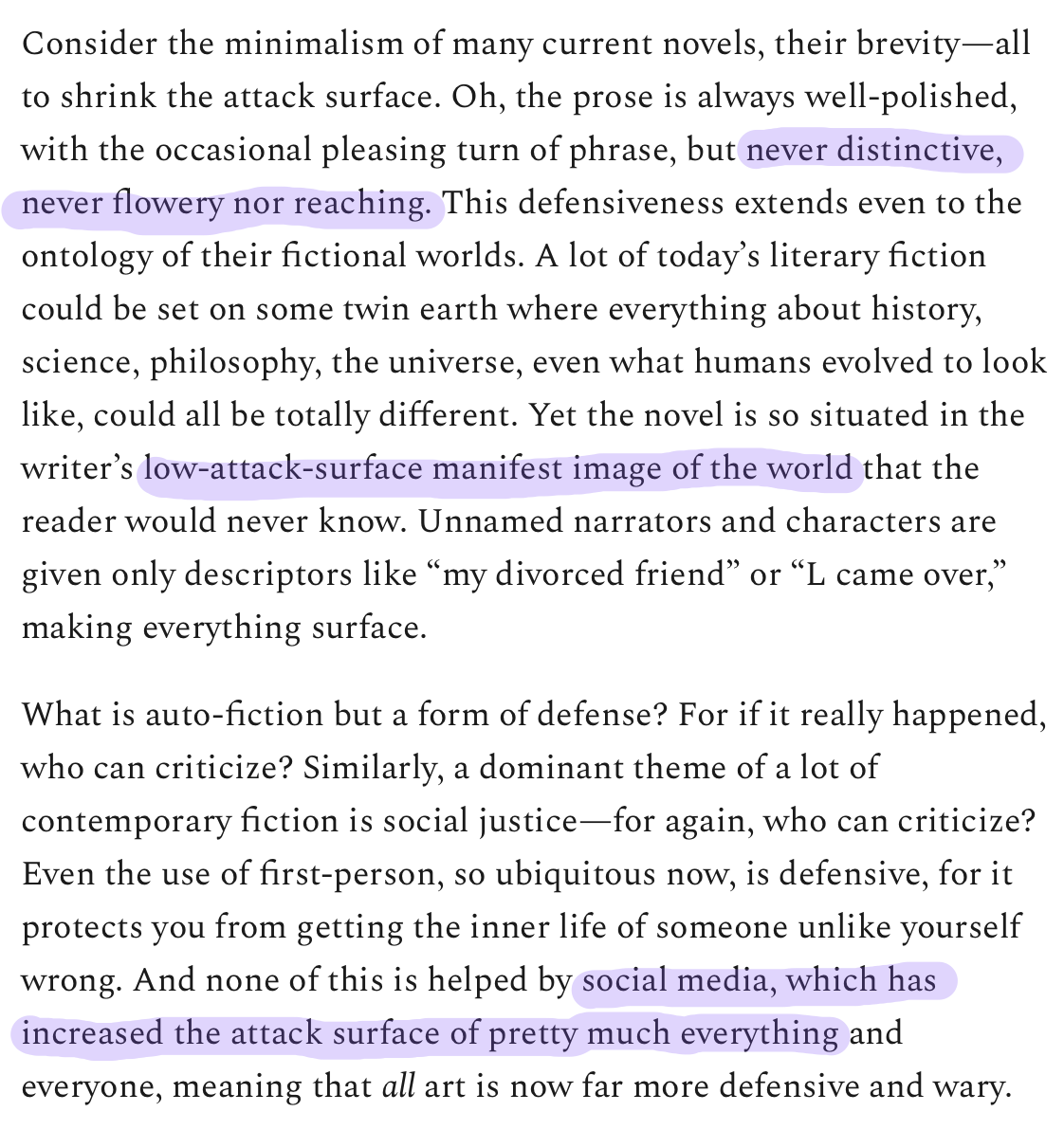
MFA programs might be homogenizing novels.
@ErikpHoel has written: “Workshop-trained writers are often, not always, but often, intrinsically defensive. This single fact explains almost all defining features of contemporary literature.”
The style is called “Corporate Memphis” and it’s everywhere now. It was originally designed for Facebook. The figures are flat, minimal, abstract, and geometric because they’re non-representational, which makes them feel universal.
– @david_perell
❤️ 5.2K
13.
Architecture follows a similar pattern.
I keep seeing the same kinds of modern houses that look like they’ve been copied & pasted by a slapdash architect. Professional architects might call these homes “minimalist,” but I think they’re just soulless copycats of each other.
– @david_perell
❤️ 4.2K
14.
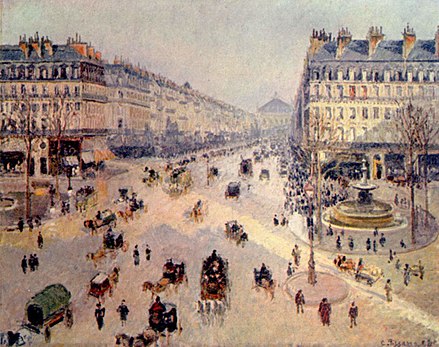
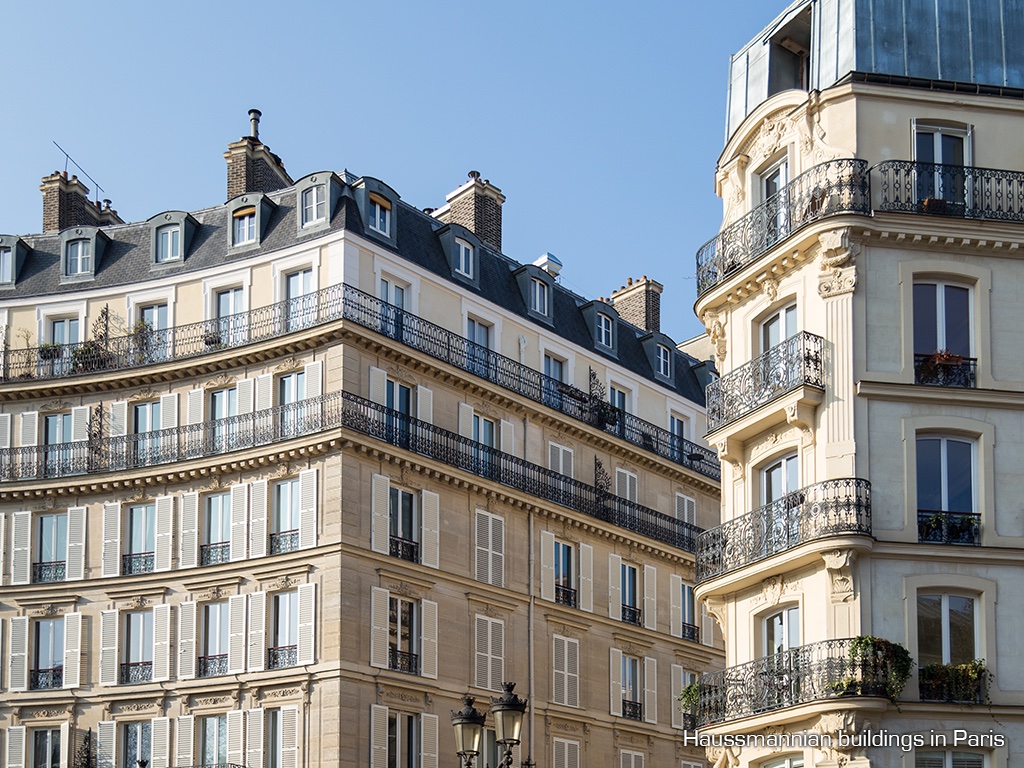
Counterpoint: Many of the places we think are most beautiful are incredibly homogenous. Think of Paris and it’s pretty Haussmann style apartment buildings that cover the entire city, simply because Napoleon III said so.
The difference is how global these design trends are now.
– @david_perell
❤️ 4.2K
Replies:
i.
I hate it. Death of aesthetics and homogenisation, neutralisation, and uglyfication of everything interesting and beautiful.
See it in art, music, and architecture too.
– @ZubyMusic
❤️
ii.
For optimal legibility at small size because of screens. There’s been a deluge of sans serifs which leads to homogeneity.
Brands like @oatly and others have gone the other direction which will benefit them long term.
– @CharlieQuirk
❤️
iii.
Hi! Web Developer here. As it was pointed before, accessibility has also become an important aspect of development… And it should be. Art/creativity is less important than functionality, a website is not an art gallery: it’s a tool for user to discover/buy/manage.
– @MelanieGravel
❤️
iv.
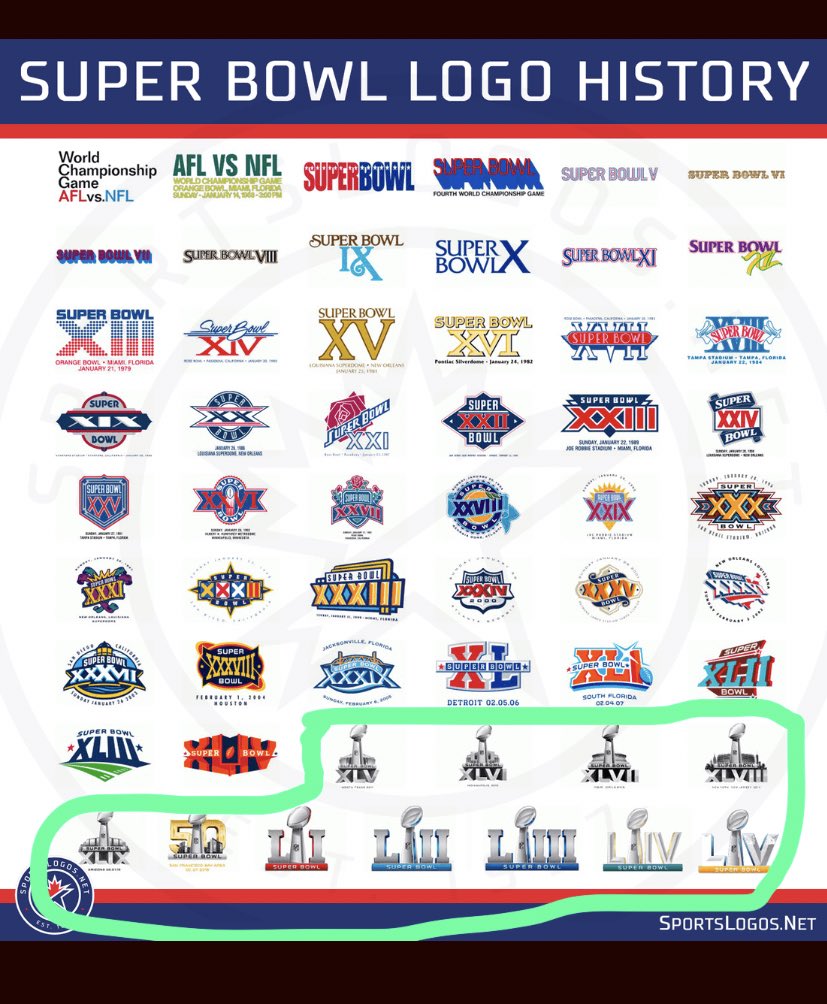
Same thing with Super Bowl Patches. The NFL used to create a new patch every year then starting in 2011 (SB45) the NFL decided to reuse the same patch every year and have only changed the patch twice in 11 years. It shows that creativity and originality is dying.
– @_VlTO__
❤️
v.
Have you considered they copy an iconic brand which never changed its logo and has been a marker of luxury over time
– @vcoparis
❤️
vi.
I actually did a font preference survey for logos a couple years ago with anonymous people. Gen X slightly preferred the more stylistic fonts I tested. Gen Y and Gen Z more strongly preferred the cleaner fonts.
– @robinzharley
❤️
vii.
They are way easier to read now.
– @arvalis
❤️
viii.
True but I think sometimes the font lends itself to the identity of the company…And it’s lost here.
But then I prefer visually interesting fonts. It has character.
– @AbzJHarding
❤️
ix.
My thoughts: 1/accessibility, making your brand’s logo readable for everyone.
Not everyone has perfect eyes like us, not everyone using latin alphabets.
Chinese, korean, arabs, they will have difficulty reading those non-standard fonts, just like us if they write some caligraphy.
– @Yezz007
❤️
x.
Readability. I should be able to see the logo and know what brand it is instantly. Not matter the font, people still read text the same way. So why make it harder for new potential customers to confuse your name or be unable to read your name.
– @Alstro56
❤️
xi.
Here’s a theory that will probably be unpopular: the systematic dumbification of the masses. Radically reduced attention capacity means stripping down everything (from song length & complexity to brand logos) to make it “consumable” in minimal time, with minimal effort.
– @PezBananaNFT
❤️
The homogenization isn’t slowing down. If anything, AI tools and global trend cycles are making it worse — every designer pulling from the same references, every brand terrified of standing out, every neighborhood built by developers optimizing for resale value over character.
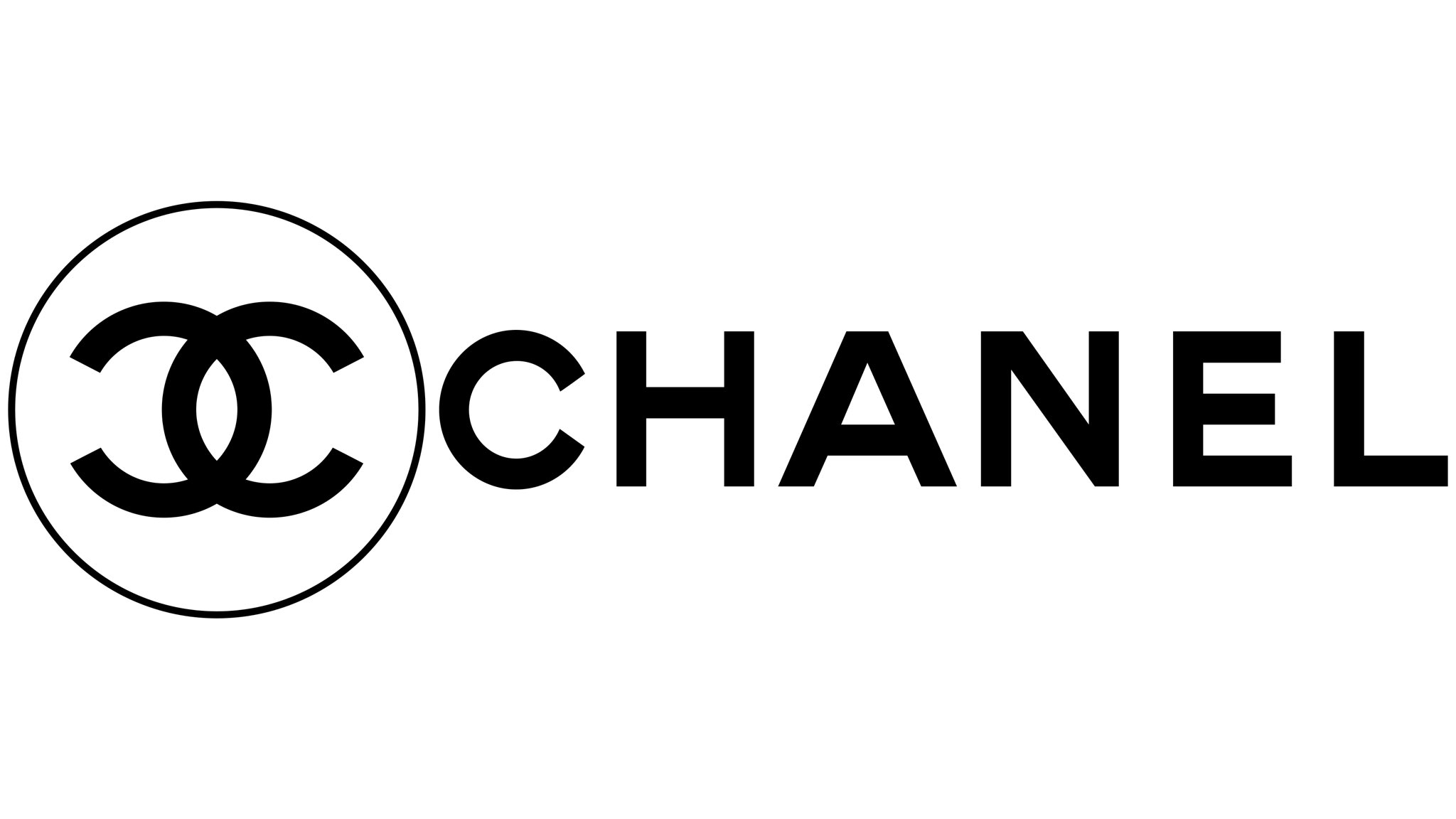
But the outliers always stand out. Chanel never touched its logo. Oatly went the opposite direction and built a cult following because of it. The brands, buildings, and books that resist the pull toward safe and forgettable are the ones people actually remember.
So the question is — is this convergence just the natural cost of going global? Or have we quietly traded creative identity for convenience without really noticing?
Share this with a designer friend and let us know what you think in the comments below.