Top 10 Logo Design Trends For 2026 And How To Use Them
Logo design in 2026 is less about visual novelty and more about meaningful distinction. Brands are no longer competing only on aesthetics, they are competing for attention, trust, and emotional connection across crowded digital environments. A logo today must perform across screens, motion systems, packaging, social feeds, and real world applications, while still feeling intentional and recognisable. This year marks a clear move toward identities that communicate character, not just clarity.
Between automation and authenticity: Designers are responding to two parallel pressures. On one side is automation and AI generated sameness. On the other is a growing desire for authenticity, tactility, and personality. According to Eric Turney, President of The Monterey Company, the strongest logos use clear shapes, strong contrast, and details that remain readable across screens, embroidery, enamel, and metal products. The result is a wave of logos that feel crafted rather than manufactured and flexible without losing structure. Minimalism still exists, but it is warmer. Bold typography returns, but with nuance. Symbols become smarter, carrying meaning through subtle details rather than decorative excess.
VistaPrint has come up with an in depth logo design trend report for 2026 that offers a thoughtful, global view of how branding is evolving across industries. Rather than focusing purely on surface aesthetics, the research looks at cultural shifts, changing consumer expectations, and the realities of designing for modern platforms. It provides valuable context for designers navigating a landscape shaped by both technology and human creativity. Here are the key logo design trends shaping 2026.
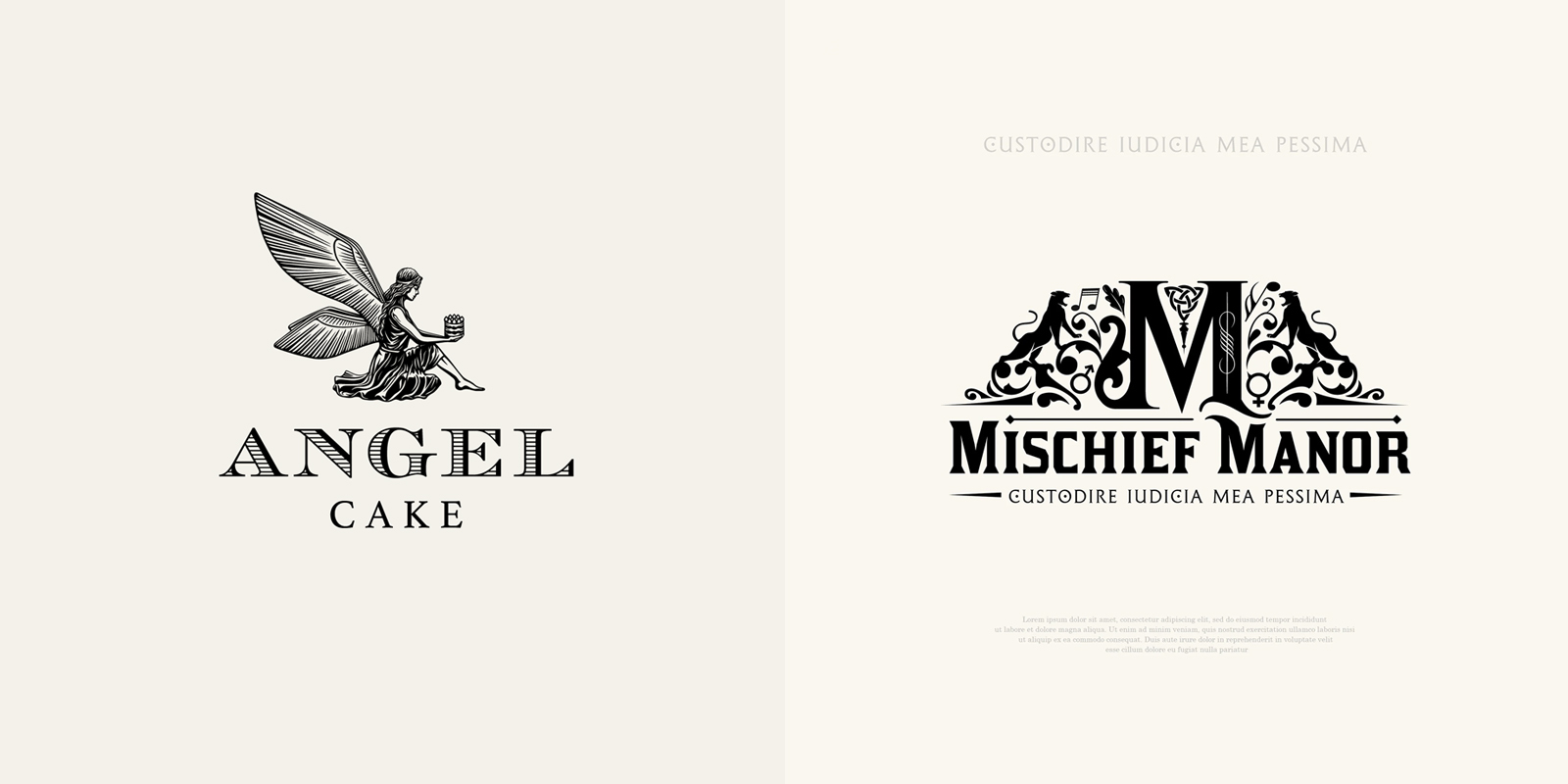
1. Story driven gothic and heritage typography
Logos inspired by gothic letterforms, folklore aesthetics, and historic references are gaining momentum. These are not literal medieval revivals. Instead, designers are borrowing structure, weight, and drama from traditional forms to build identities that feel rooted and confident.
How to use: Best suited for brands in fashion, craft, food, music, or lifestyle spaces where narrative matters. Use selectively through custom typography or headline marks rather than full retro treatments. Pair with modern layouts to avoid feeling dated.
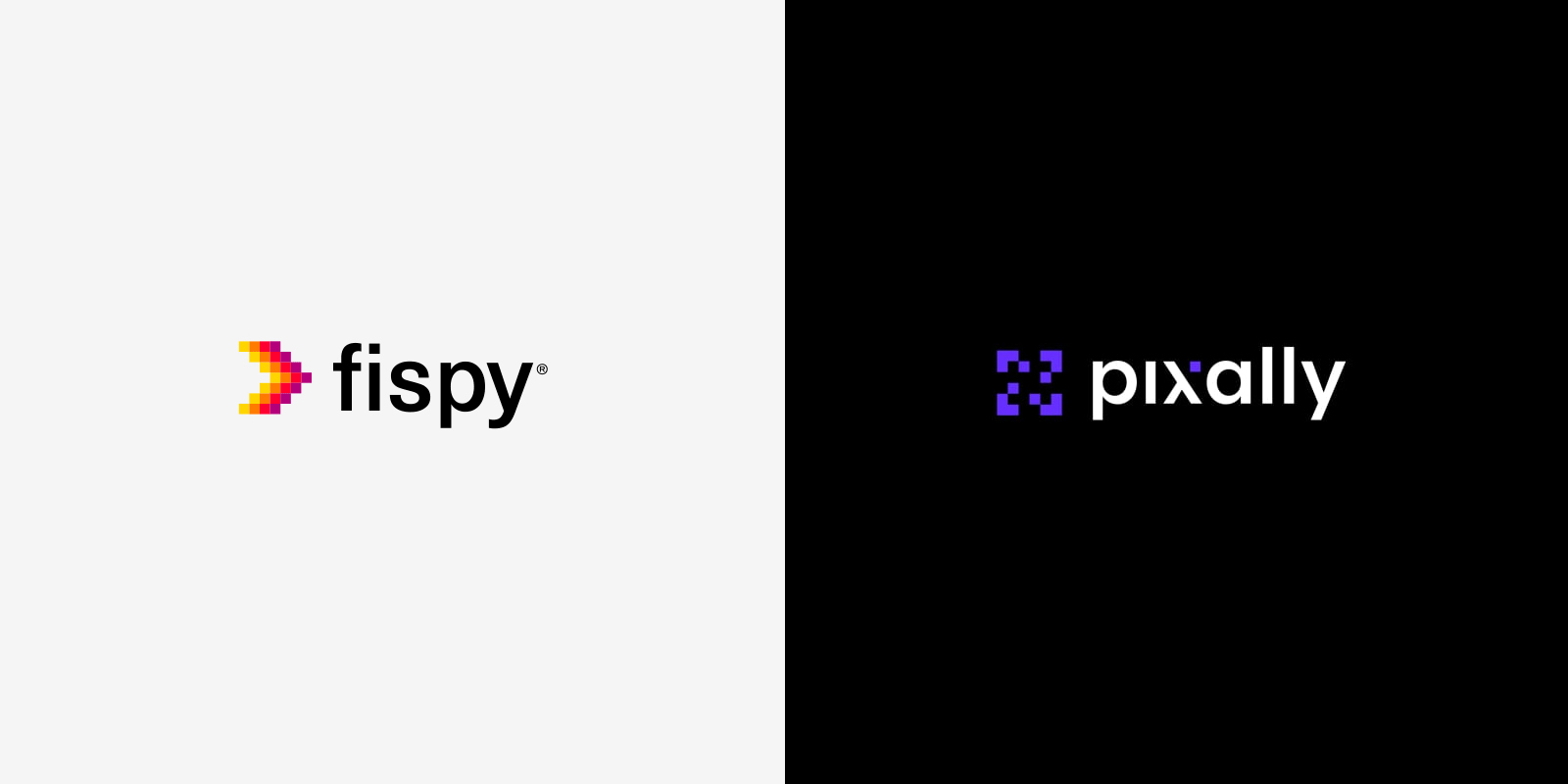
2. Pixel sharp precision
Grid based, ultra crisp logos reflect digital fluency and technical clarity. This direction appeals strongly to SaaS, tech startups, and data driven brands, offering structure in a world of visual noise. This kind of structured, digitally fluent approach can also be seen in the work of Clay Global, whose branding projects combine visual identity, product design, and digital systems for technology-focused companies.
How to use: Apply when your product relies on accuracy, systems, or performance. Keep spacing deliberate and letterforms clean. Introduce warmth elsewhere through colour or motion to prevent coldness.
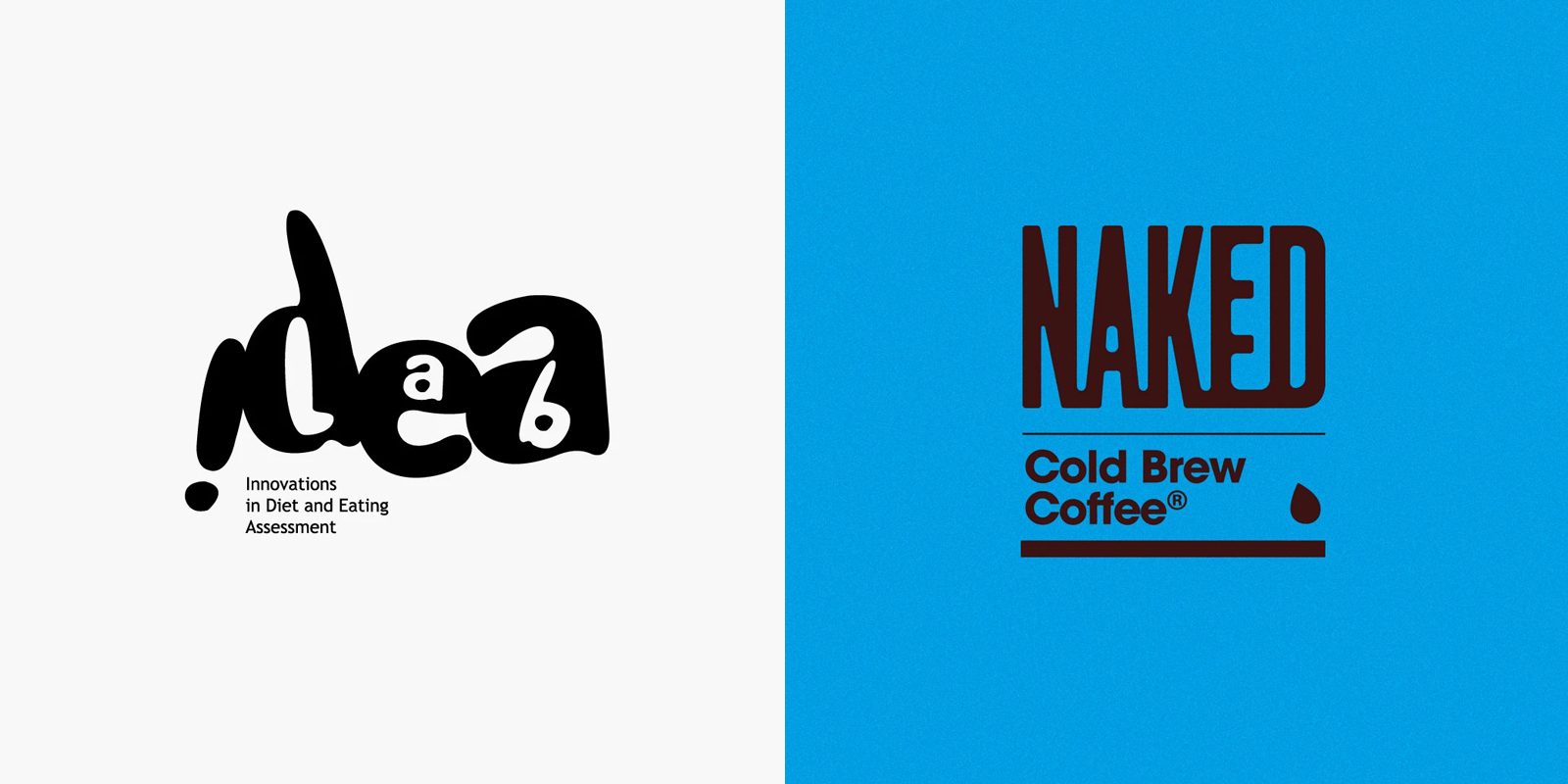
3. Micro details as identity anchors
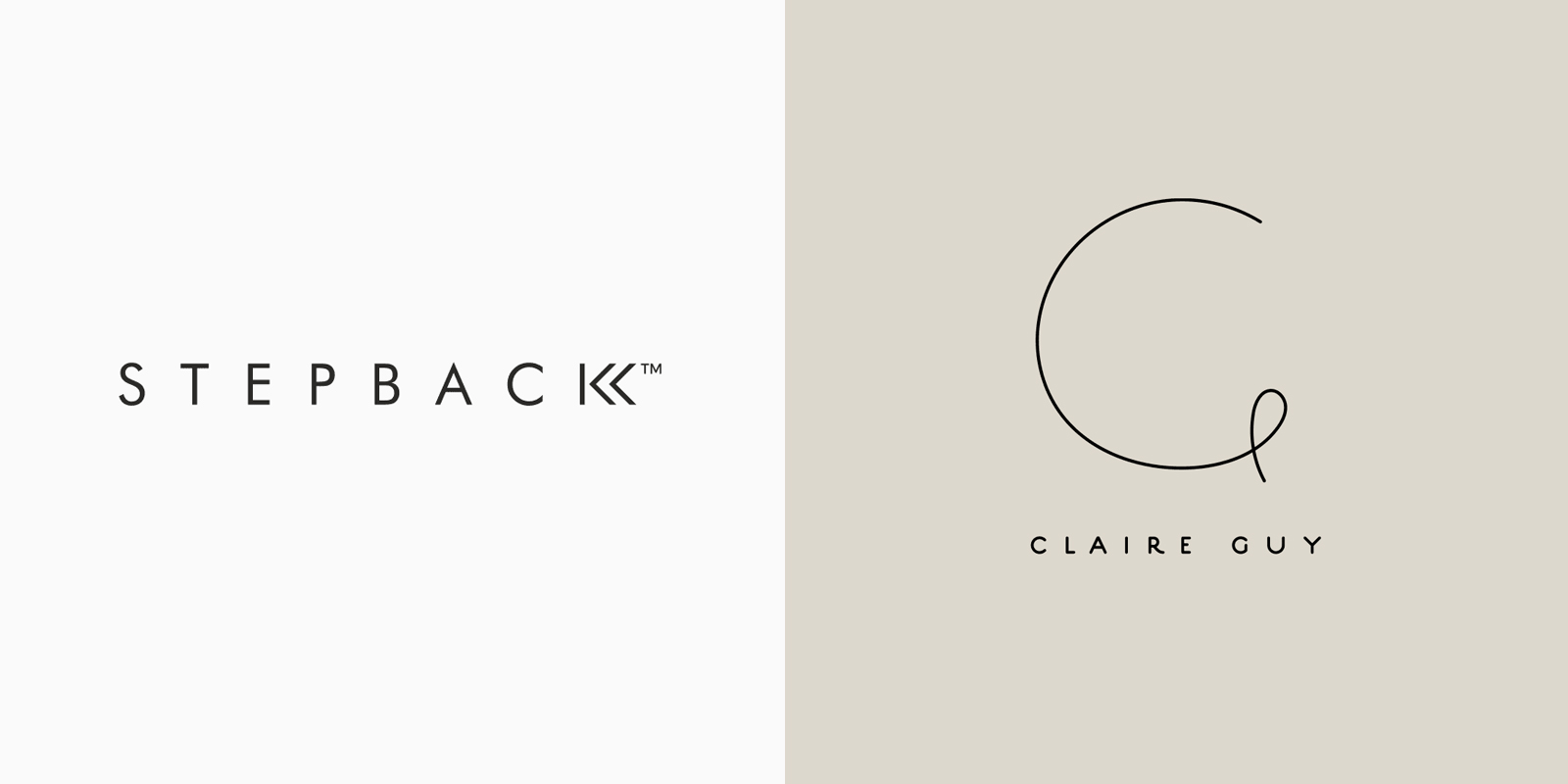
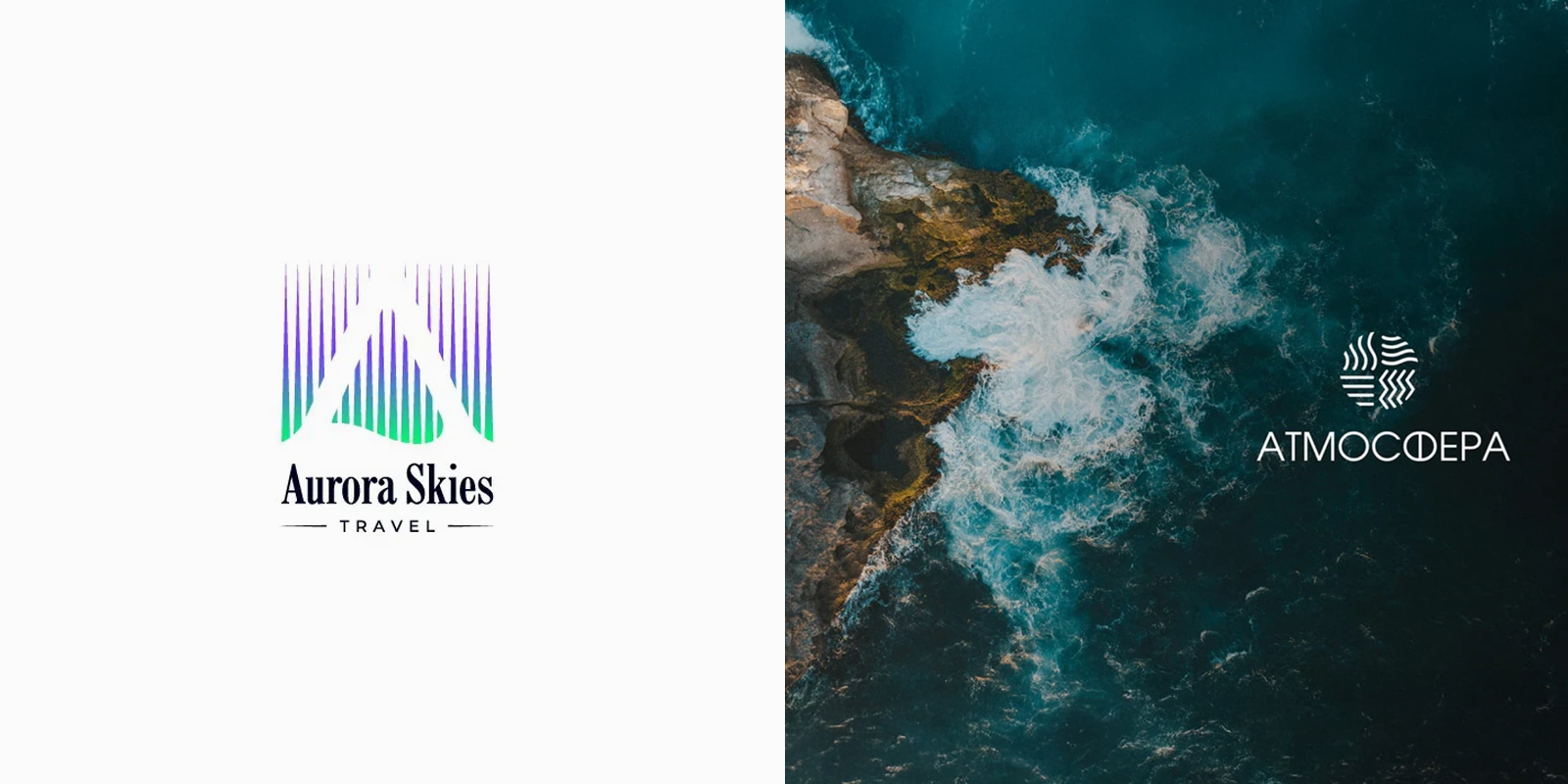
Small visual disruptions such as a notch, dot, break, or shift in alignment are being used as signature elements. These subtle details act as memory triggers without overwhelming the logo.
How to use: Perfect for minimalist brands that still want uniqueness. Build one recognisable quirk into the mark and repeat it across brand assets for consistency.
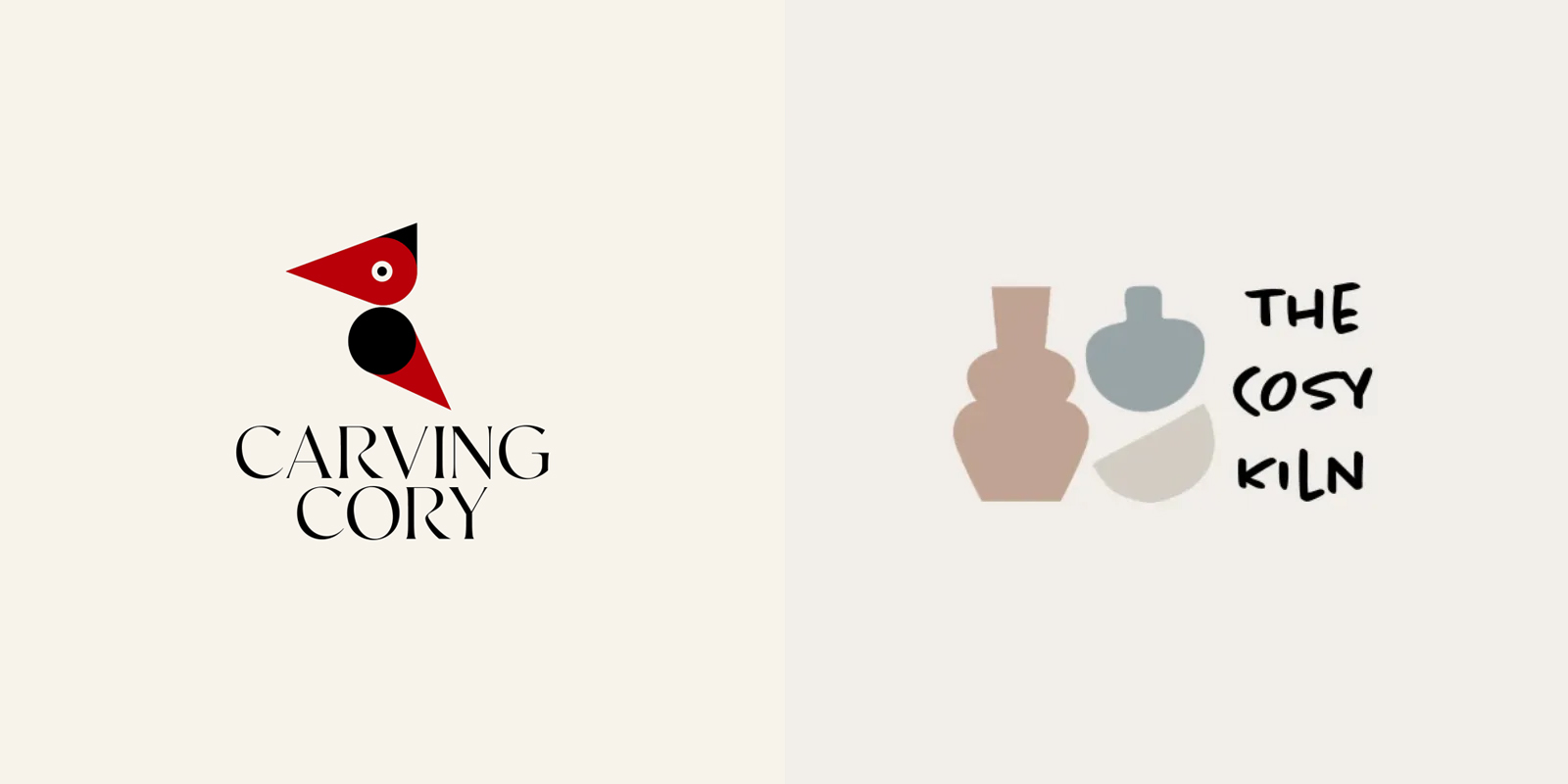
4. Warm organic logos
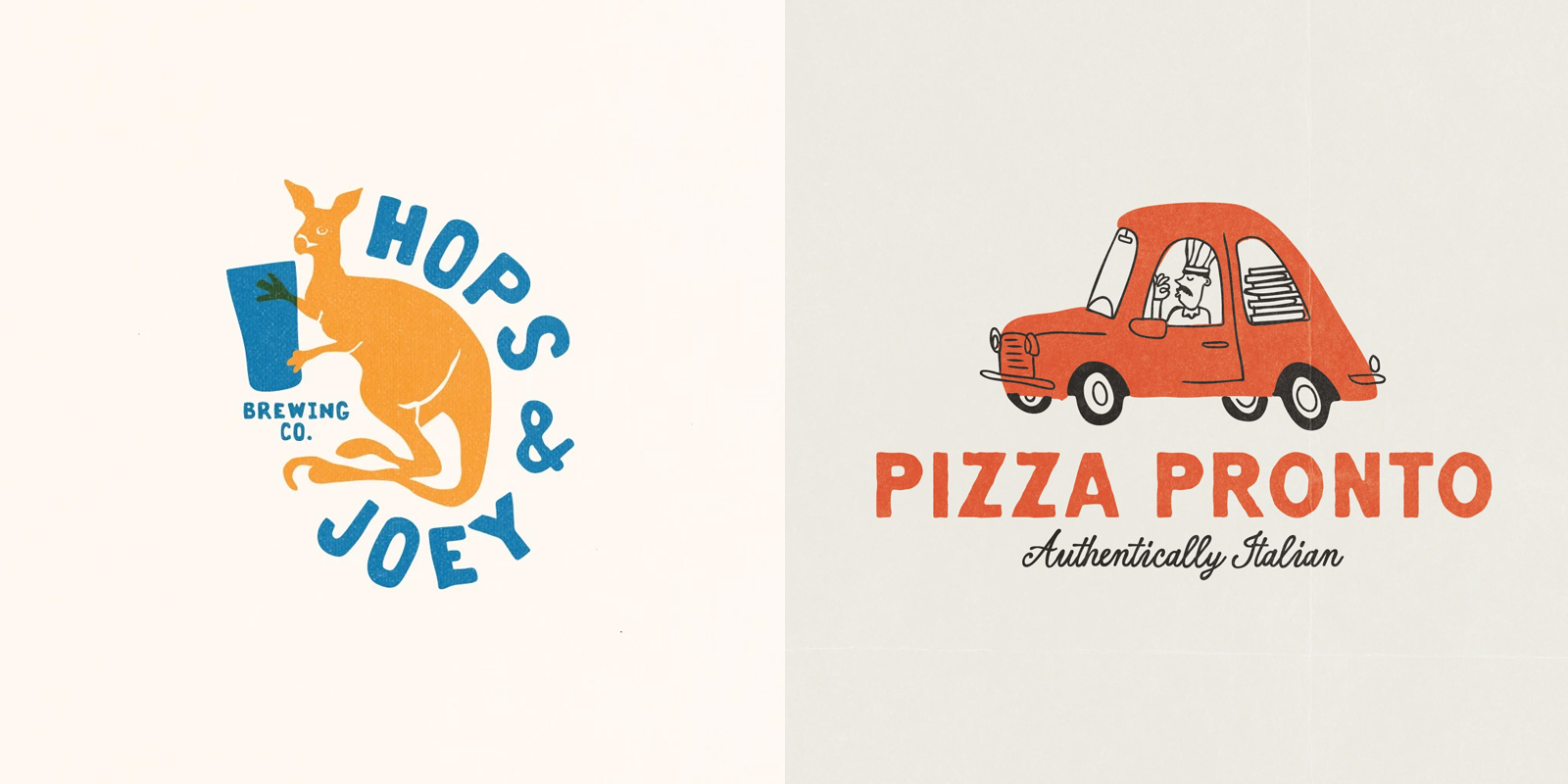
Soft curves, earthy palettes, and approachable shapes are replacing sterile corporate marks. These logos feel human, friendly, and emotionally accessible.
How to use: Ideal for wellness, education, food, and community driven brands. Balance softness with clear hierarchy to avoid losing authority.
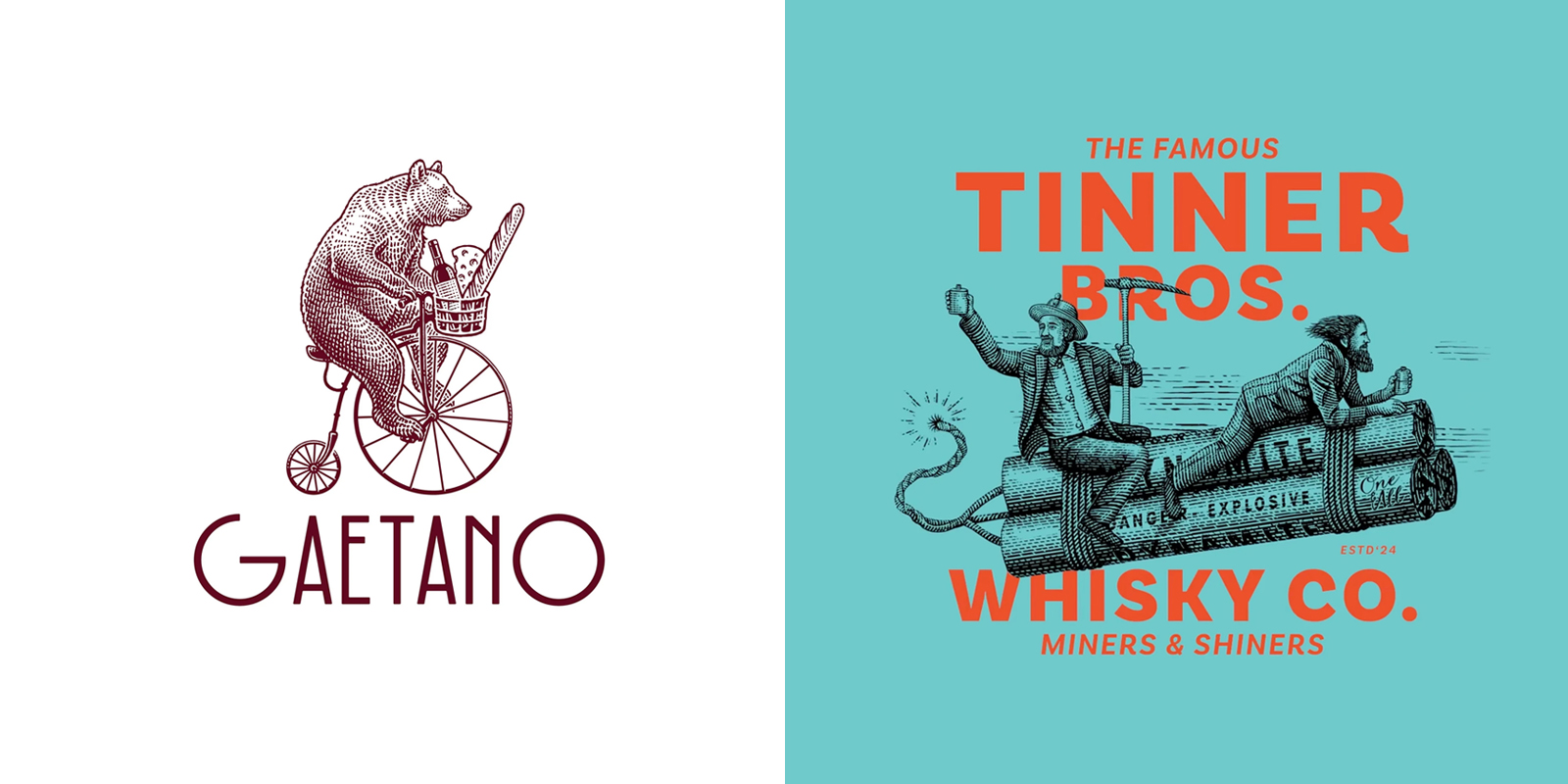
5. Stamp and seal identities
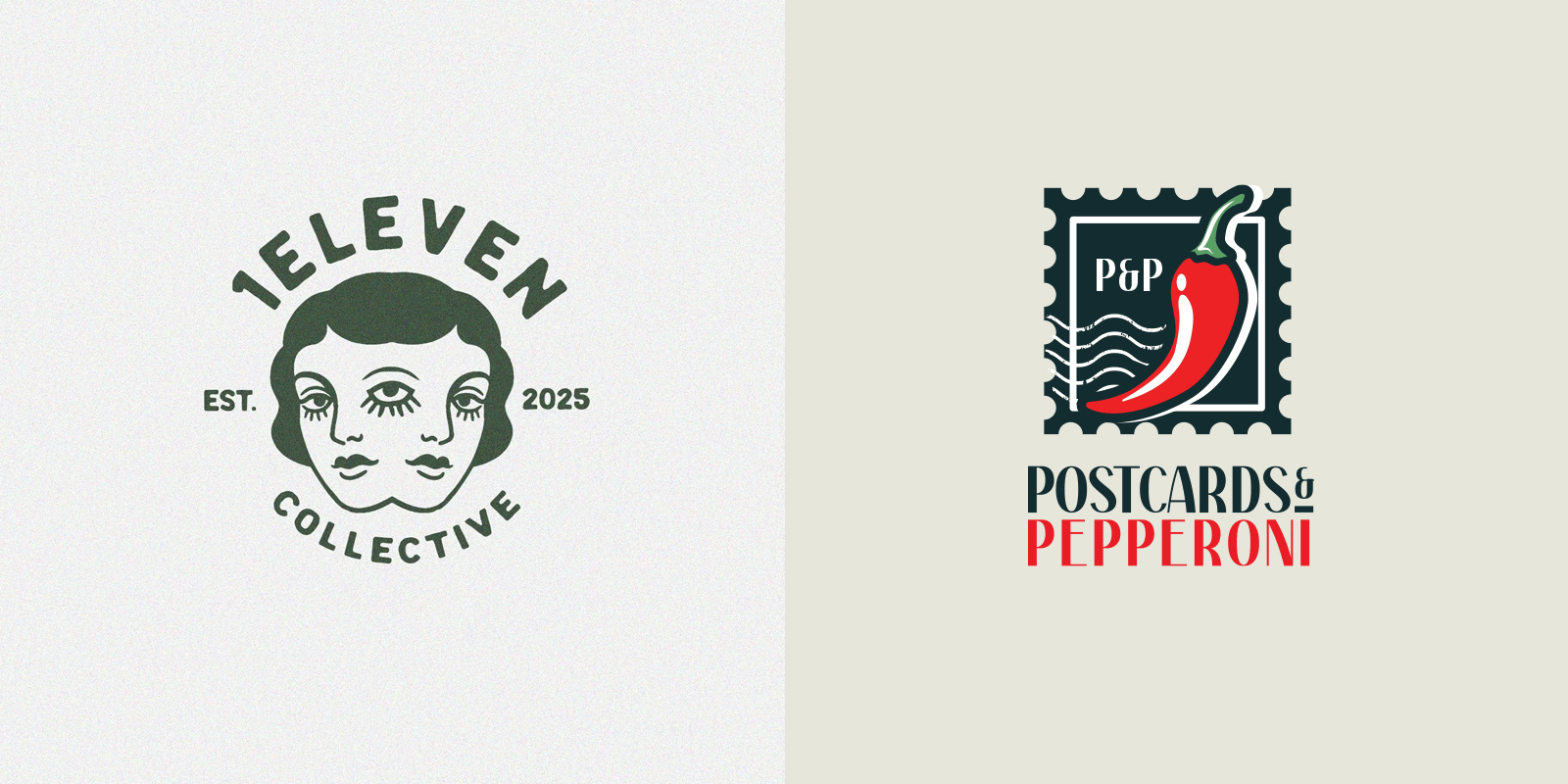
Circular emblems and badge style logos are returning as symbols of trust and credibility. These designs feel official while remaining adaptable for luxury packaging and social media.
How to use: Works well for legacy brands, artisans, and service businesses. Use simplified versions for digital platforms to maintain legibility.
6. Morphing and adaptive logos
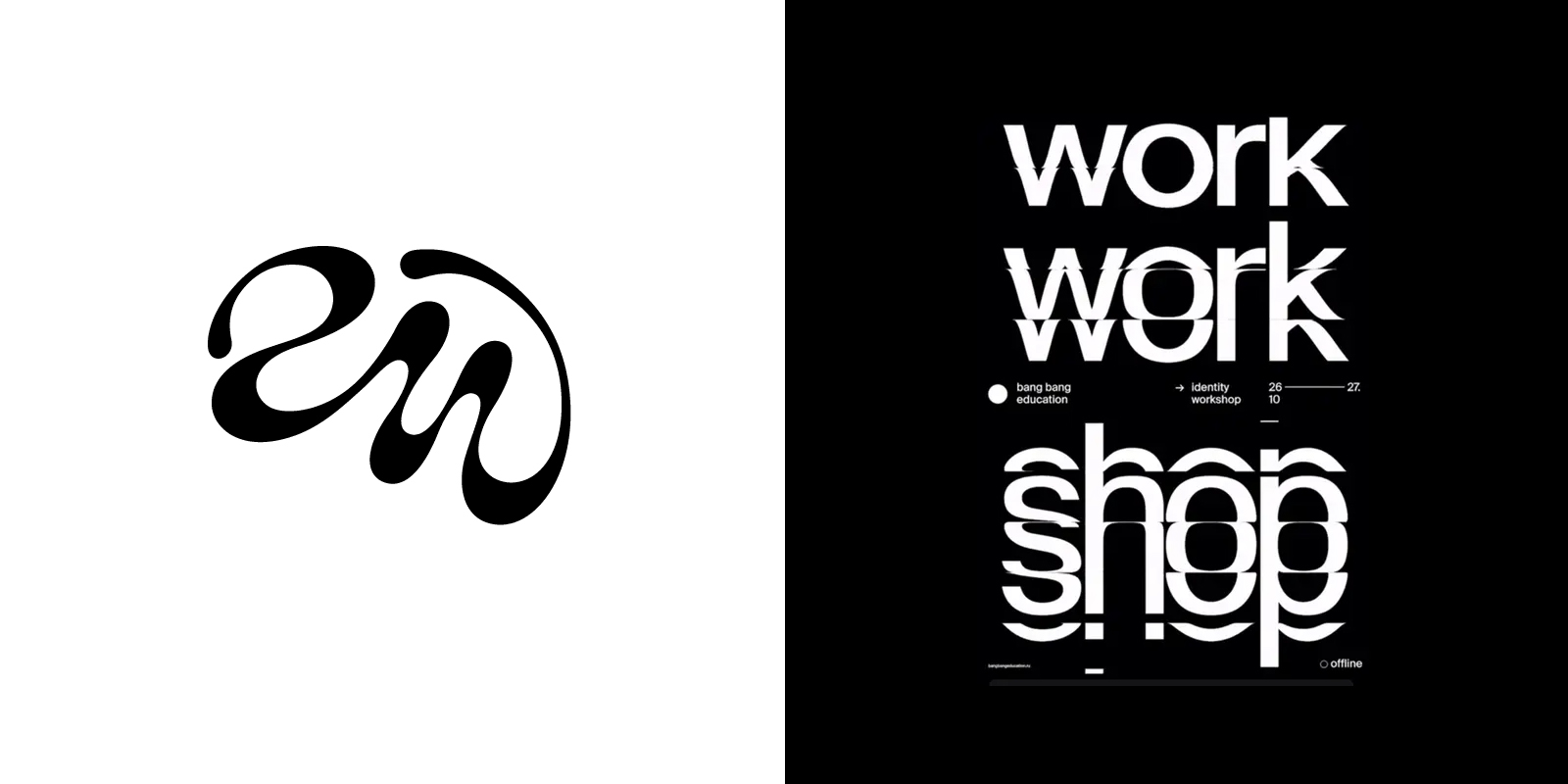
Dynamic marks that shift shape or composition across contexts reflect how brands now live in motion. Rather than one static logo, designers create systems.
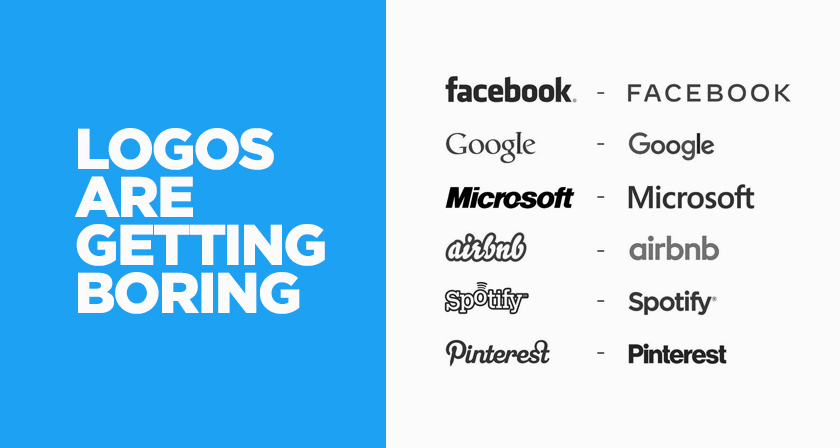
The logo trends of 2026 show a clear shift away from generic solutions. The strongest identities today are not defined by software or templates, but by intent. Designers are thinking in systems, building flexibility into marks, and prioritising emotional connection alongside usability.
Rather than copying trends directly, the smartest approach is to understand their purpose. Each direction responds to a real need, whether that is clarity in digital spaces, warmth in automated environments, or storytelling in competitive markets. A successful logo in 2026 balances adaptability with recognisable structure.
For designers and brand owners alike, the takeaway is simple. Trends are tools, not rules. Use them selectively, guided by brand strategy rather than aesthetics alone. Logos that endure are built on clarity, relevance, and thoughtful execution. When those fundamentals are in place, visual trends become a powerful layer, not a distraction.