Logos may look different at first glance, but many of the world’s most successful brands share disciplined design choices. Across industries, clear patterns emerge in color, typography, shape, and structure. Strong logos are not accidental. They are built for clarity, memorability, and long term recognition.
Patterns: When leading brand marks are examined together, consistency stands out. Minimalism dominates. Flat design prevails. Sans serif typography appears more often than decorative styles. Most logos use just one to three colors. These are strategic decisions driven by legibility and adaptability.
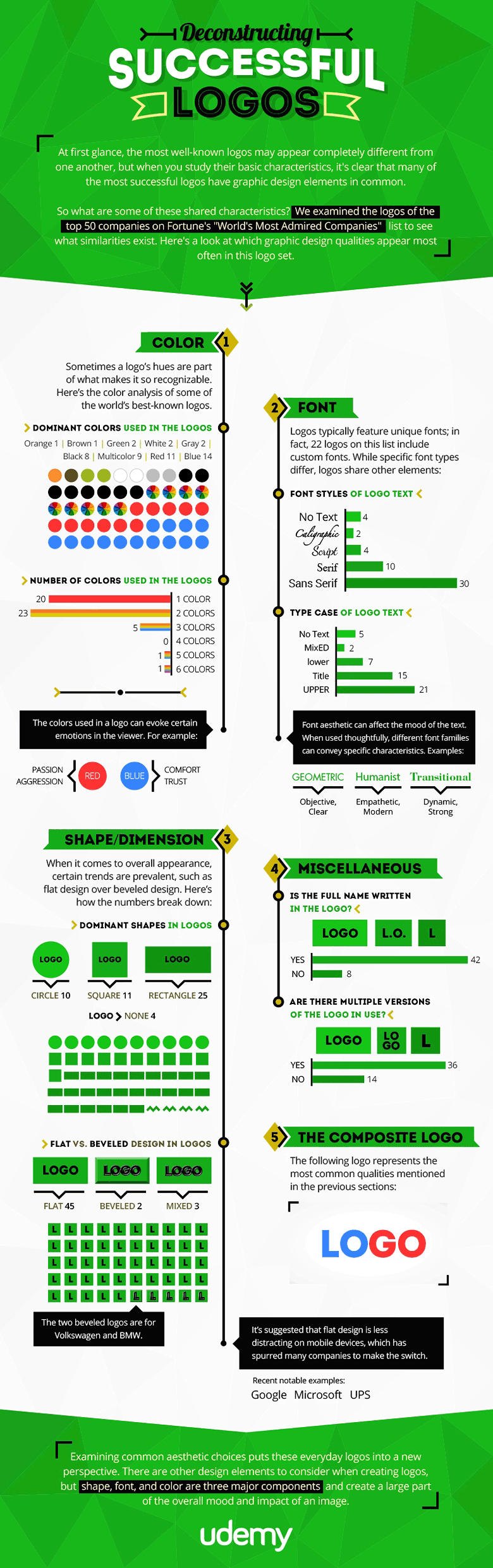
Psychology: To explore these trends further, online education marketplace Udemy analyzed the logos of the top 50 companies on Fortune’s World’s Most Admired Companies list. Blue leads as the most used color. Clean type and simple geometric forms dominate. Restraint proves powerful.
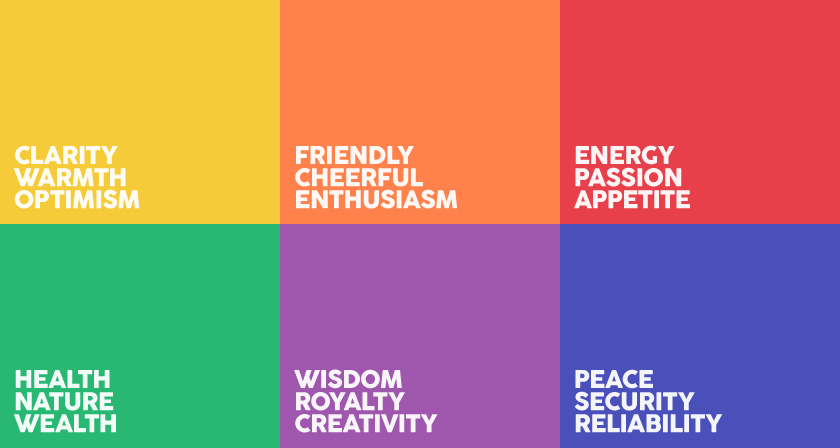
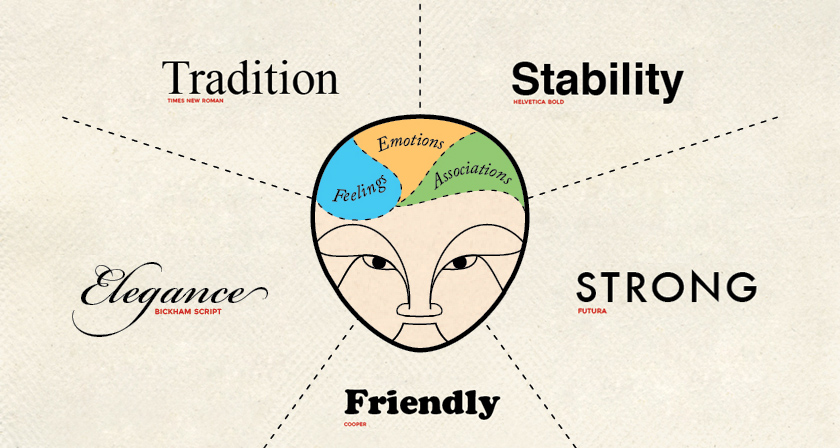
Color and form shape perception. Blue builds trust. Red signals energy. Circles feel inclusive. Uppercase typography conveys authority. In a digital first world, simplicity creates advantage.
Check out the infographic below for a breakdown of the colors, fonts, shapes, and structural elements behind many of today’s most recognizable logos.
Summing it up:
- Blue leads as the dominant color, with red close behind.
- Sans-serif typography and uppercase lettering remain the preferred typographic choices.
- Rectangular forms appear more frequently than circular or square shapes.
- And flat design continues to win for clarity and cross-device legibility.
That said, these patterns aren’t a formula for guaranteed success. The strongest logos aren’t built by imitation, they’re built on clarity, distinctiveness, and long-term versatility. Trends may inform design decisions, but memorability and meaning ultimately define enduring brands.
When you design a logo, what matters most to you: simplicity, symbolism, scalability, or emotion? Share this article and join the conversation in the comments below.