Adobe Develops AI That Can Detect If Faces Were Manipulated In Photoshop
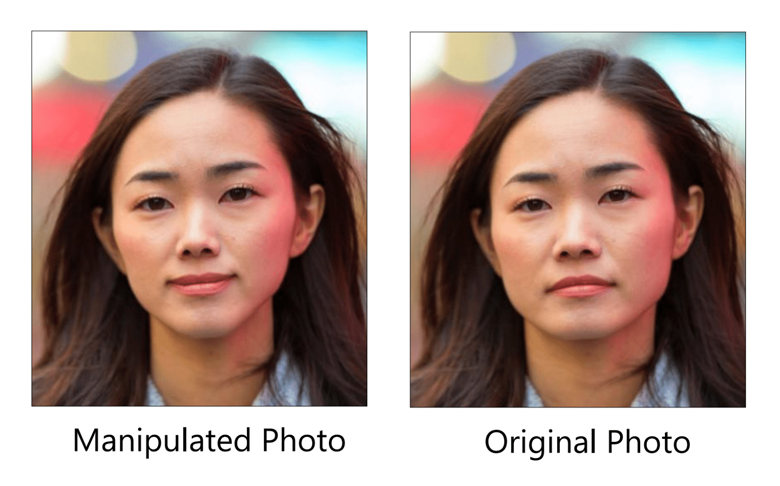
Researchers at Adobe and UC Berkeley have developed an AI method that can detect whether faces in photos were manipulated using Adobe Photoshop’s Liquify Tool. The research team trained a Convolutional Neural Network (CNN) on thousands of portrait images on which Face Aware Liquify was applied using a Photoshop script.
In a series of subsequent experiments, the AI was able to correctly detect 99.4% of manipulated images, as compared to humans who were able to detect 53.5%. The AI was also able to identify which parts of the face were edited, and in some cases, it could “undo” a manipulation to reconstruct the original, unedited image.
When this research was published, AI could already identify subtle facial manipulations that were difficult for humans to spot. Today, the problem has become even more complex as generative AI can create entirely synthetic photographs that look remarkably realistic.
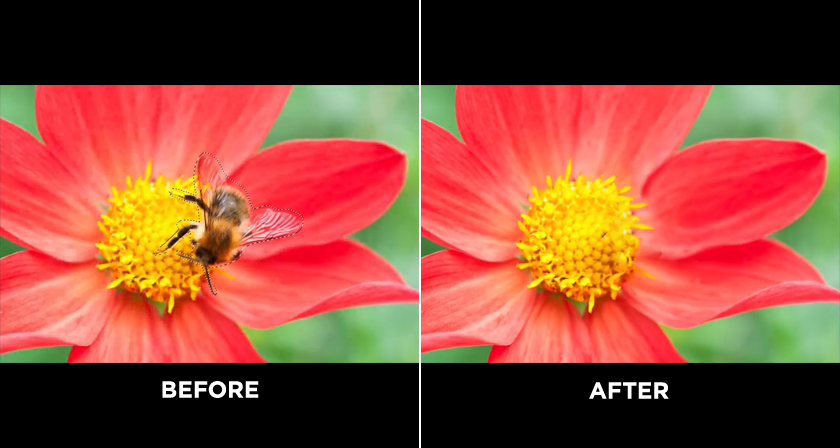
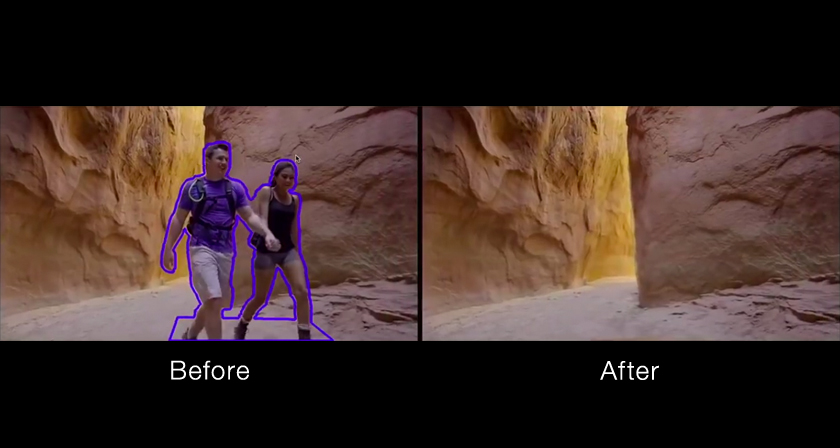
For designers, publishers, marketers, and anyone working with digital content, knowing whether an image has been AI-generated or manipulated is becoming an important part of the content verification process. A convincing image can still contain fabricated people, objects, locations, or other details that could mislead an audience.
Tools such as TruthScan can help users analyze images for signs of AI generation or manipulation before using them in published content.
AI detection should not be treated as absolute proof, but it can provide a useful additional signal when verifying the authenticity of an image.
Share this post with a designer friend and voice your views in the comments below.