Applying For A Web Design Job? Here’s What You Need To Know
The digital landscape is shifting. If you’re looking to land a position in web design today, you probably already know that a pretty portfolio isn’t the only thing that matters anymore. Hiring managers are looking for something deeper. They want to see how you think. How do you solve problems? And how you fit into a team that’s likely moving at a very fast pace.
Honestly, it can feel a bit overwhelming. But what does that actually look like in practice?
The Portfolio is Your Foundation
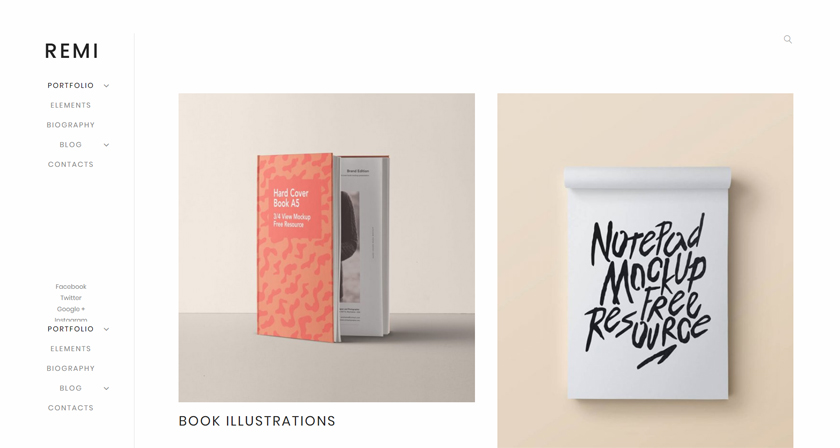
Your portfolio is usually the first thing a recruiter sees. It’s your visual handshake. However, a common mistake is including every single project you’ve ever worked on. This can be overwhelming for everyone involved. I guess we all have that one project from three years ago we’re still weirdly attached to, but maybe it’s time to let it go? Instead, focus on quality over quantity. Select four to six projects that show a range of skills.
You should show the process, not just the finished product. Explain the problem you were trying to solve. Why did you choose that specific color palette? Why is the navigation structured that way? When you document your wireframes and your early sketches, you show that you’re a designer who values strategy.
And that’s the point. It makes a massive difference to a creative director who needs to know you can handle a complex brief.
Understanding the Technical Requirements
While you don’t need to be a full-stack developer, having a solid grasp of how your designs come to life is vital. Understanding the basics of coding helps you communicate with the engineering team. It shows that you respect the medium’s constraints.
When you apply, be prepared to talk about responsive design and accessibility. These aren’t just trends. They’re essential components of modern web design. If your designs don’t work for everyone on every device, they aren’t complete. Showing that you prioritize the user experience across all platforms will set you apart from candidates who care only about aesthetics. It’s about making sure everyone can actually use what you build.
The Importance of the Application Materials
Beyond the portfolio, your actual application needs to be tight. This is where your resume comes in. It should be clean, easy to read, and reflective of your design sensibility. Many designers start by exploring free resume templates. Your resume is a design project in itself. If the hierarchy is messy or the typography is hard to read, it sends a negative signal about your attention to detail.
Keep your descriptions punchy. Use action verbs. Instead of saying you were responsible for a project, say you led the design phase or collaborated with stakeholders to improve conversion rates. Quantifiable results are always more impressive than vague responsibilities.
So, how do you stand out when everyone has a clean resume?
Soft Skills and Cultural Fit
Technical skill gets you the interview, but soft skills get you the job. Web design is rarely a solo sport. You’ll be working with project managers, clients, and developers. You need to show that you can take feedback without getting defensive. It’s tough sometimes. You spend hours staring at a screen until your eyes blur, and then someone asks for a total pivot.
During the interview, listen more than you speak at first. Ask questions about the company culture and the team workflow. This shows that you’re interested in how you can contribute to their success, not just what they can do for your career. Empathy is a huge part of design. If you can show empathy for your teammates and the end users, you’re already ahead of the curve.
Research the Agency or Company
Never send out a generic application. Take the time to look at the work the company has done recently. What’s their style? Who are their clients? When you can reference a specific project they launched and explain why you admired it, it shows you’re genuinely interested in them.
Tailoring your cover letter to address the specific needs mentioned in the job description is a simple step that many people skip. If they mention they’re looking for someone with strong typography skills, make sure your application highlights that specific strength. And let’s be real, a little bit of genuine effort goes a long way.
The Interview Process
The interview is a two-way street. While they’re evaluating you, you should also be evaluating them. Is this a place where you can grow? Do the designers there seem happy and supported?
Be ready for a design challenge. Some companies will ask you to complete a small task to see how you handle a deadline and a specific set of requirements. Don’t panic. They’re usually more interested in your logic and your ability to explain your choices than they are in a pixel-perfect final result in two hours.
Just stay calm and walk them through your thoughts.
Staying Current in a Fast-Moving Industry
Finally, show that you’re a lifelong learner. The tools we use today might be different next year. Mention the blogs you read, the podcasts you listen to, or the new software you’re experimenting with. It’s about that midnight hum of the laptop while you’re falling down a rabbit hole of new design techniques. A curious designer stays relevant.
Landing a web design job is about proving that you have the eyes for beauty, the brain for logic, and the heart for collaboration. If you can demonstrate those three things, you’re well on your way to a successful career.