Creative agencies face unique security challenges due to their high-value assets, dynamic workflows and sensitive client information. Traditional security approaches often fall short in these settings. Offsite security oversight, including digital monitoring and remote response, offers agencies an adaptable and robust layer of protection for their studios and offices.
In the creative workspace, balancing accessibility with protection can be complex. Today, remote security monitoring, when used alongside clear policies and workflow-friendly solutions, allows agencies to guard their assets efficiently.
Agencies regularly handle confidential projects and expensive equipment, so having real-time visibility and automated alerts is critical. Knowing how these solutions work enables creative teams to select systems that keep productivity and reputation intact.
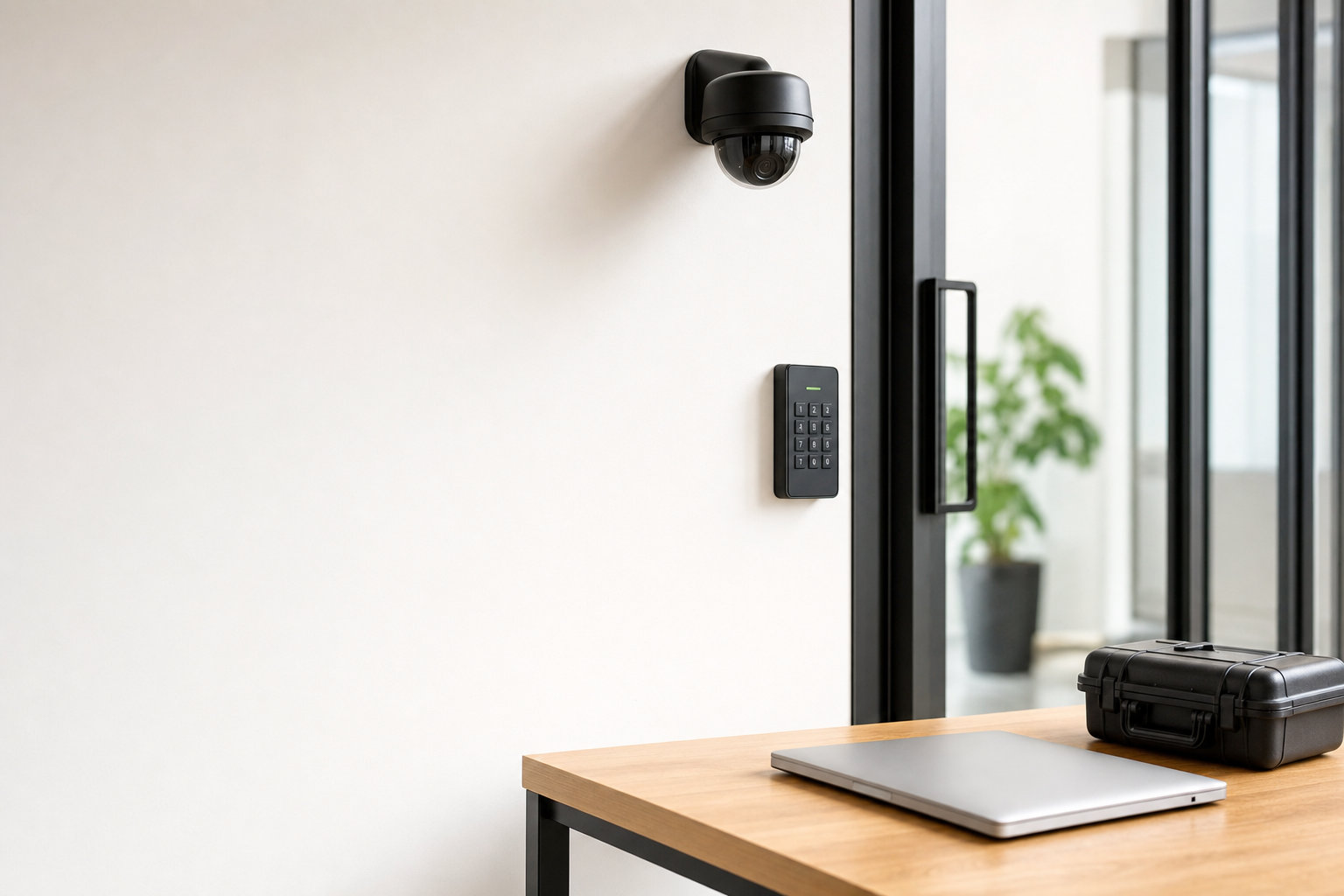
Factors that make agency security requirements unique
Creative agencies hold assets that make them targets for theft or data breaches. Laptops, cameras and prototypes are both valuable and portable, making theft a significant concern. In addition, client files and unfinished campaigns constitute intellectual property that needs to be protected from unauthorized access.
The office setup in agencies adds another layer of complexity. Irregular schedules, late-night sessions and constant comings and goings introduce challenges for conventional security. Frequent visits by freelancers or delivery staff demand flexibility without compromising safety. This balance requires customized approaches that differ from traditional office security models.
Beyond physical assets, creative agencies also manage extensive digital libraries containing client branding materials, marketing strategies and proprietary design files. A security breach involving these materials can damage client relationships and result in legal consequences. Many agencies work with brands under strict non-disclosure agreements, making the protection of work-in-progress campaigns essential.
The collaborative nature of creative work means files are frequently shared across teams and platforms, creating multiple potential vulnerability points. Implementing layered security measures that address both physical and digital threats helps agencies maintain the trust their clients place in them while supporting seamless creative collaboration.
Situations that increase vulnerability in studios and offices
Certain agency situations create specific security risks. After-hours work in multi-tenant buildings can expose agency property to theft if access points are not properly managed. Visits from cleaning staff, delivery services and temporary contractors also present moments when spaces might be insufficiently monitored.
Reception areas may go unstaffed during flexible work arrangements, which can affect oversight of building entry. Rooms used to store equipment or creative materials can be at greater risk, especially when accessed by people with only limited-term entry. Agencies must identify and manage these risks to support ongoing creative work in a secure setting.
Integrating oversight with modern workflows and technology
Modern security systems help address these challenges through the integration of surveillance, access control and alert management. When systems coordinate camera feeds, alarms and logs, agency staff can quickly verify events and take appropriate action. Clearly defined escalation steps further reduce the chance of confusion or errors during incidents.
Within these systems, remote security monitoring enables agencies to promptly confirm incidents and make security decisions, minimizing unnecessary disruptions and false alarms. Many creative teams prefer solutions compatible with studio routines, such as aligning access protocols with session bookings to prevent interruptions during important projects or meetings. This streamlines day-to-day operations while maintaining vigilance.
Design, usability and privacy for agency environments
Adoption in creative environments relies on ease of use. Security dashboards should provide clear alerts and intuitive layouts that allow urgent items to stand out. Visual features, such as color distinctions, help agency teams act quickly, particularly during busy workflows or emergency situations.
Role-based access is valuable, enabling staff, technical teams and management to interact with security systems at the appropriate level of detail. Equally, agencies must maintain privacy standards for both staff and visitors, ensuring monitoring aligns with expectations and organizational culture.
Responsible use of these systems means collecting only necessary security data and maintaining transparent records for accountability and review. Agencies applying these best practices typically experience clearer roles, fewer disruptions and strengthened confidence in the safety of their workspace.
Practical considerations for implementing studio security
A practical security plan should account for privacy as well as protection. Cameras should cover entrances, equipment storage areas and other vulnerable points while avoiding unnecessary monitoring of desks, private spaces or areas where employees reasonably expect privacy.
Agencies should also define how long footage is retained, who can access it and when recordings are deleted. Visitor access should follow clear procedures, with temporary permissions, sign-in requirements or staff escorts used when appropriate. Security alerts also need a defined chain of responsibility. Agencies should identify who receives alerts, who reviews them and who has authority to escalate incidents or contact emergency services.
Ultimately, these decisions should be documented clearly so employees understand how monitoring operates and security staff can respond consistently. Regular reviews can help agencies update these procedures as layouts, staffing patterns and operational needs change.