Some digital products just click. You open them, finish what you came to do, and close them without thinking twice. No confusion. No frustration. That kind of seamless experience? It doesn’t happen by accident.
Behind every product that earns genuine loyalty sits a team that has obsessed over real human needs before writing a single line of code. When companies invest in professional UX/UI design specialists, they’re betting that knowing their users inside out will pay off in adoption, retention, and revenue. That bet wins more often than not.
So what separates products people love from the ones they abandon after three uses? Five strategies keep showing up among teams who get human-centered design right.
Start With Research, Not Assumptions
Here’s an uncomfortable truth. Most product teams carry assumptions about their users that turn out to be dead wrong.
Executives believe customers want more features. Engineers assume users will follow logical workflows. Marketing thinks people choose based on brand perception. All of these feel reasonable. All of them frequently miss the mark.
What Direct Contact Reveals
Interviews reveal frustrations that analytics dashboards miss entirely. Observation sessions show how people actually navigate products—the workarounds, the confusion, the abandoned tasks that never appear in completion metrics.
One fintech company discovered through user interviews that their “intuitive” onboarding process confused a significant portion of new sign-ups. The team had tested internally, where everyone already knew the product. Real users struggled at exactly the steps developers considered obvious. That insight came from eight 30-minute conversations. The fix took two weeks. Skipping those conversations? Months of user churn.
You don’t need massive budgets for this. Five or six conversations with representative users surface patterns that reshape entire product directions.
Design for Real Behaviors, Not Ideal Scenarios
Users rarely follow the “happy path” that wireframes assume. They get interrupted mid-task. They forget passwords. They multitask across devices while half-watching television.
Spotify noticed something interesting. Many users opened the app without a specific song in mind—they just wanted something to play while cooking or commuting. Rather than forcing searches, Spotify built personalized playlists and quick-access recommendations right on the home screen. The interface adapted to behavior patterns the team observed, not the workflow they initially imagined.
This approach requires humility. Product creators must accept that their elegant solution might not match how humans actually operate. Session recordings, analytics, and contextual inquiry provide the evidence. Theory gets you started. Reality tells you where to go next.
Validate Early, Fail Cheaply
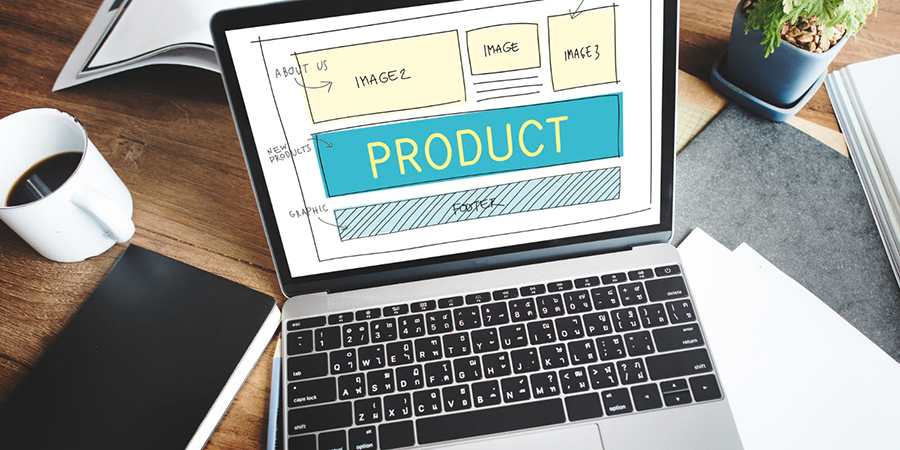
Every product idea feels brilliant in a conference room. Prototyping reveals whether that brilliance survives contact with actual users.
A clickable mockup costs days to build. A fully developed feature costs months. When prototypes fail—and many do—the cost stays manageable. Teams can iterate, pivot, or abandon approaches based on evidence rather than sunk cost.
Paper Beats Code
Airbnb famously tested new booking features with paper prototypes before touching code. Users clicked through printed screens while researchers observed their reactions and confusion points. Those sessions killed several “obviously good” ideas before engineering resources got involved.
Paper and markers saved them months of wasted development. Post-launch changes cost ten times what they would during prototyping. What takes hours to adjust in a mockup takes weeks once code gets deployed.
Measure Outcomes Users Care About
Vanity metrics feel good but mislead. Page views, app downloads, time-on-site—all can increase while users grow increasingly frustrated.
Human-centered measurement looks different:
- Task completion rates — Can users actually finish what they came to do?
- Effort scores — How hard did they have to work?
- Return behavior — Do they come back voluntarily, or only when forced?
Duolingo built its entire product around this thinking. The team doesn’t optimize for sessions or screen time. They track lesson completion, streak maintenance, and skill progression. When metrics showed users abandoning difficult lessons, they didn’t shorten the content. They redesigned the difficulty curve and added encouraging micro-interactions at friction points.
Treat Launch as the Starting Point
Products that remain relevant treat launch as the beginning of a conversation, not the end of a project.
Netflix treats every feature as provisional. They release updates to small user segments, measure behavioral changes, and iterate based on real-world response. Features that test poorly get revised or removed—even features the internal team loved. This culture of continuous refinement keeps the product aligned with how users actually watch content, not how designers assumed they would.
Building Feedback Into the System
In-app surveys catch friction early. Support ticket analysis reveals patterns individual complaints miss. Regular user interviews surface the “why” behind the numbers.
Teams that listen continuously spot opportunities while competitors remain oblivious. Every release becomes a hypothesis. Every usage pattern becomes data for the next improvement.
People First, Products Second
Human-centered design isn’t a phase or a checklist item. It’s a lens for every product decision, from initial concept through years of iteration.
The strategies here share a common thread: replace assumptions with evidence, test before committing, keep listening after launching. These practices demand more upfront effort than building from internal intuition alone. But the products that result earn something invaluable—users who feel genuinely considered.
Those users become advocates. They become repeat customers. They become the foundation of sustainable growth that no marketing budget can manufacture. Every product decision is ultimately a decision about people. The teams that remember this build things worth using.