Graphic design in 2025 is a study in contrasts—where cutting-edge technology meets handcrafted authenticity, and nostalgia coexists with modern innovation. AI is becoming an indispensable creative tool, not as a replacement for designers but as an extension of their capabilities. Meanwhile, minimalism is taking a bolder approach, emphasizing striking typography and vibrant color choices. Metallic accents and pixel art revivals reflect a growing appreciation for both futuristic aesthetics and digital nostalgia.
At the same time, the demand for human touch in design is rising. Geometric compositions, textured grain effects, and maximalist illustrations bring depth, structure, and richness to visuals. Retro serif typography and gothic-inspired crests reinforce a sense of history, while handcrafted elements signal a shift toward raw, organic creativity in an overly polished digital landscape.
These trends, identified by Adobe, highlight a shift toward more expressive, flexible, and dynamic design approaches—where innovation enhances creativity rather than replaces it. As designers navigate this evolving landscape, the focus remains on balancing technology with artistry, precision with personality, and innovation with timeless appeal.
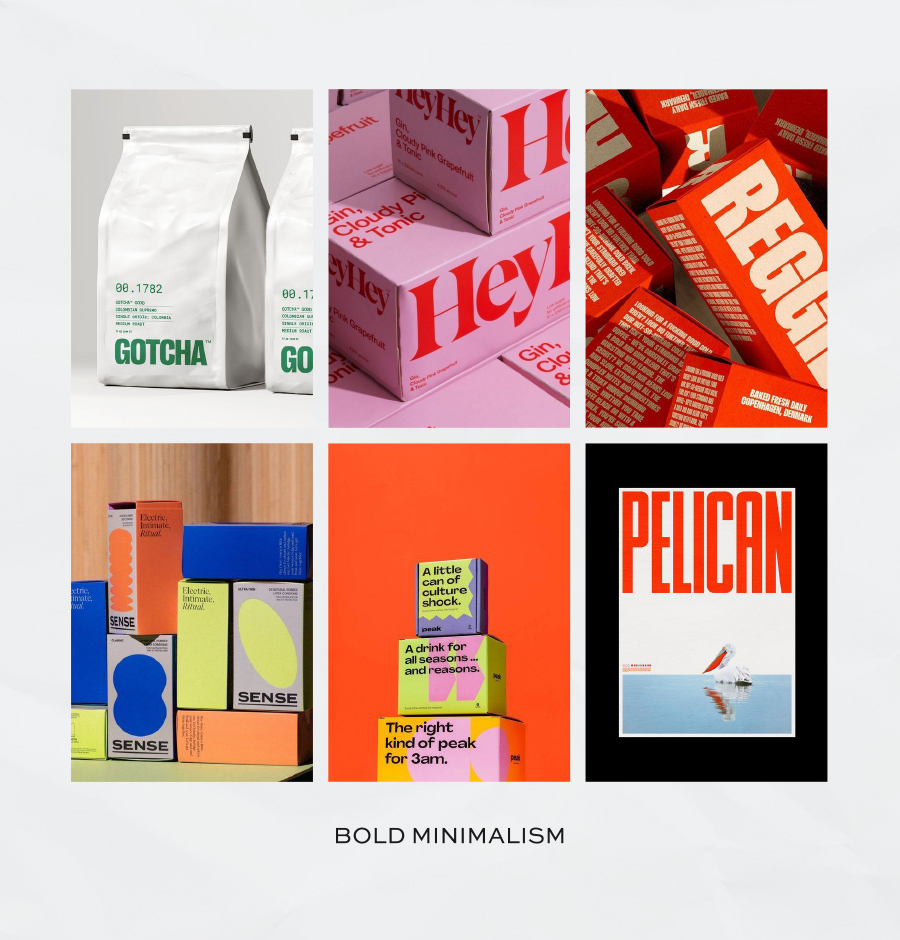
1. Bold Minimalism
In 2025, minimalism has stepped into the spotlight with a bold new twist. Designers are dialing back the clutter to let a few carefully chosen elements truly shine.
Imagine clean layouts where every detail counts—featuring daring typography and vibrant colors that pop against a simple backdrop. It’s minimalism reimagined: sleek, impactful, and irresistibly modern.
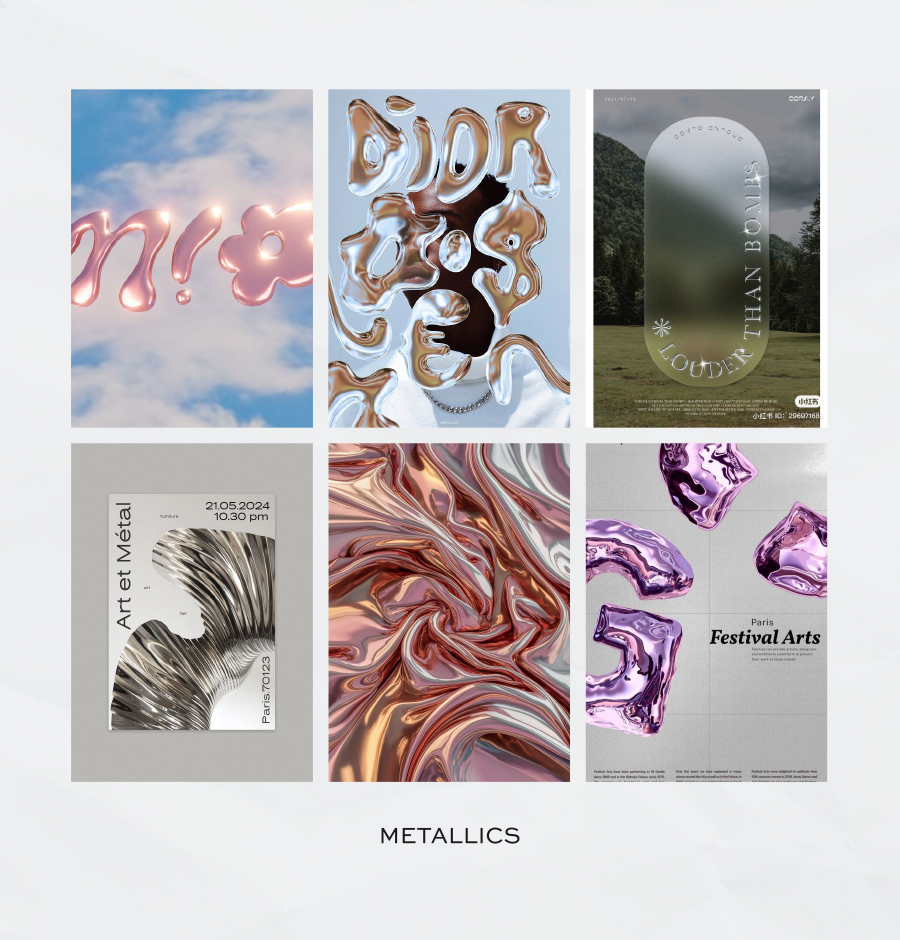
2. Metallics
Metallic shades are stealing the show in 2025. Think sleek silver, radiant chrome, and a range of other lustrous finishes that are weaving their way into fresh, eye-catching designs as the year unfolds.
Trend forecasters like WGSN and Coloro are buzzing about “Future Dust” – a sophisticated, dark blue laced with hints of purple and grey, crowned as the Color of the Year. With that kind of nod, you can bet these rich, modern metallic tones will be turning heads and redefining the design scene in a big way.
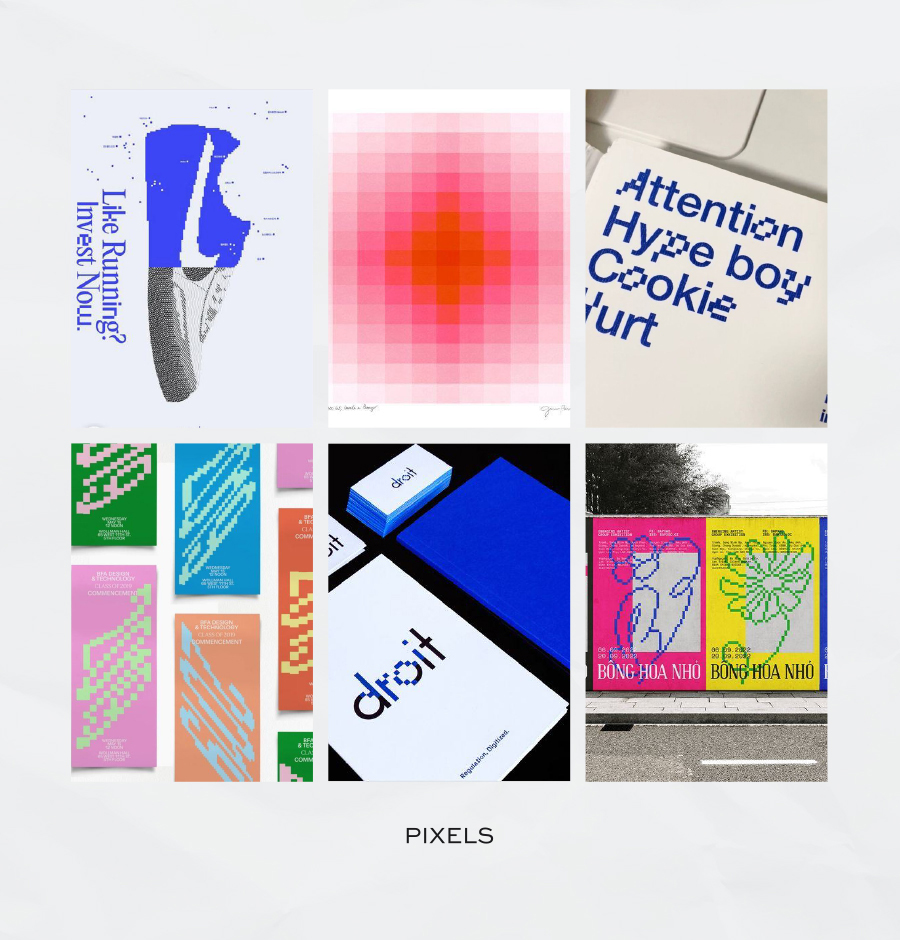
3. Pixels
Pixel art has made a real comeback in design today, showing up in everything from typefaces to logos. It brings a vibe that’s both cutting-edge and a nostalgic nod to the digital pioneers of the past.
What’s cool is how flexible this trend is—it fits effortlessly into so many industries. Whether you’re hinting at nostalgia or embracing a bold, digital revival, this pixelated style adds a playful, tech-savvy edge to your visuals.
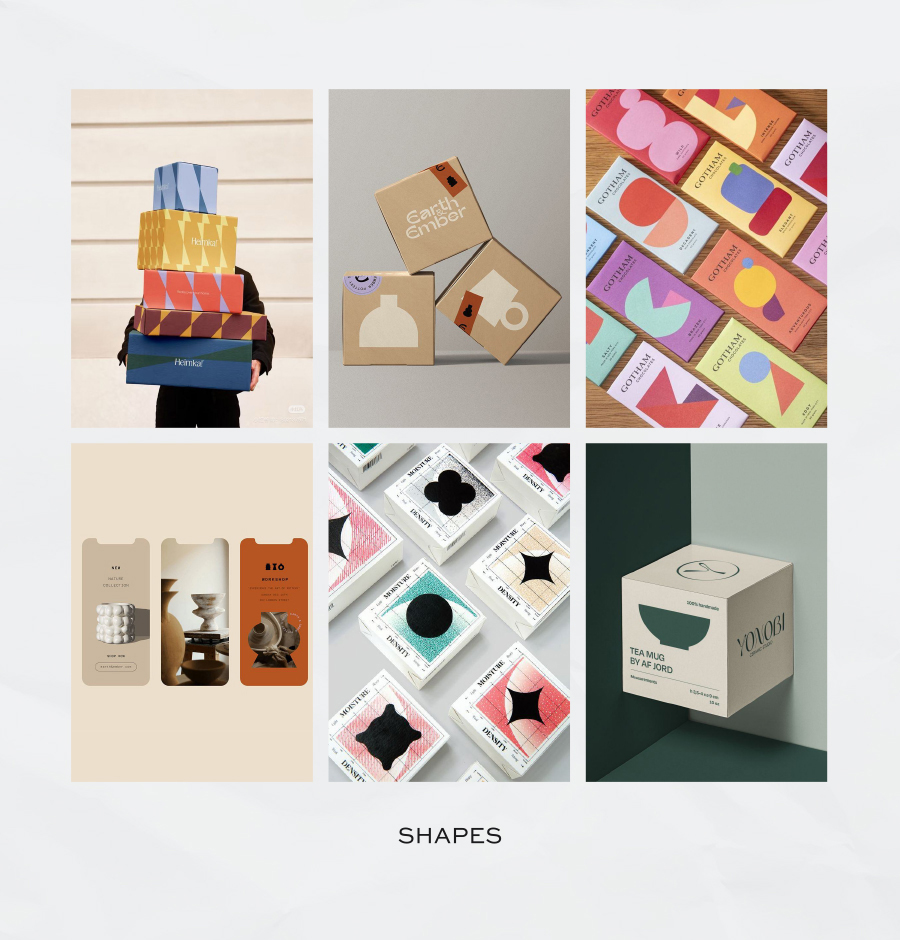
4. Shapes
In 2025, we’re seeing a major trend where daring, unconventional shapes are taking center stage, adding a bold structure and extra depth to visuals. At the same time, creative minds are getting experimental by cropping photos into custom shapes, turning everyday images into dynamic design elements.
This fresh approach infuses designs with a playful, free-spirited character while offering endless flexibility. It’s a design revolution that’s all about merging structure with spontaneity.
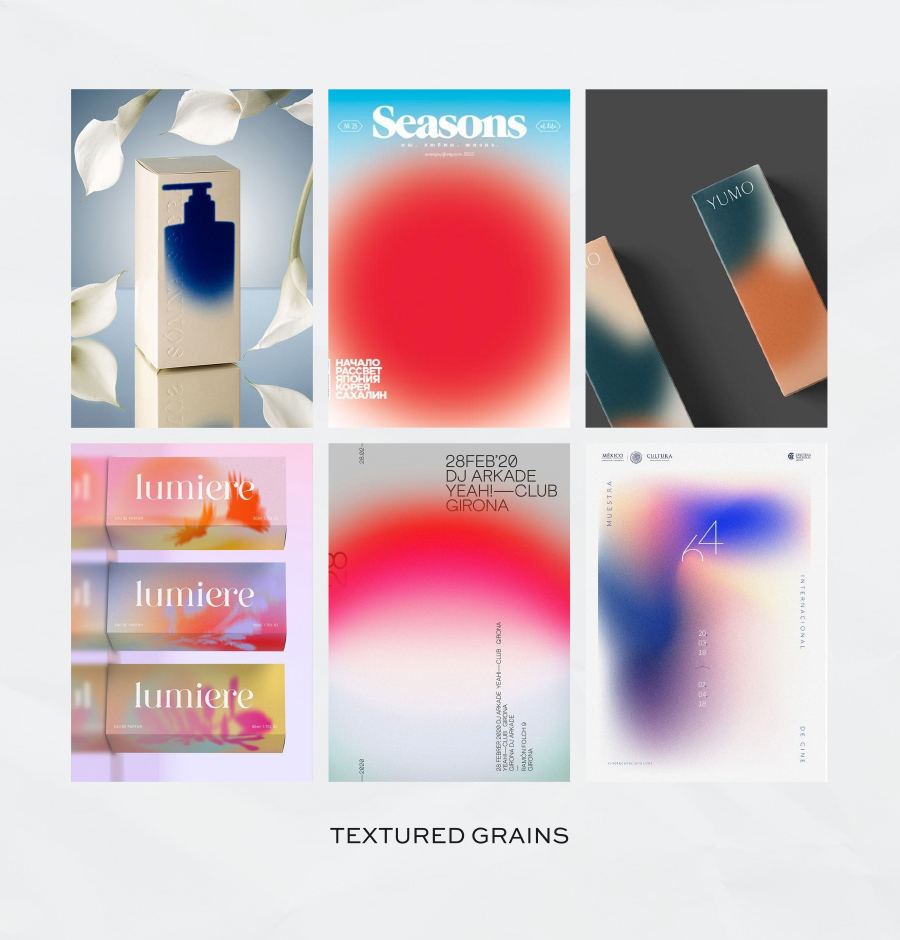
5. Textured Grains
In an age where flawless, AI-generated images dominate our screens, designers are seeking that imperfect, human touch. That’s why textured grains are making a strong comeback in graphic design.
Adding a bit of grain brings depth and movement, giving visuals a more tactile, real feel that feels refreshingly raw and edgy. It’s all about embracing the beauty of imperfection in a perfectly digital world.
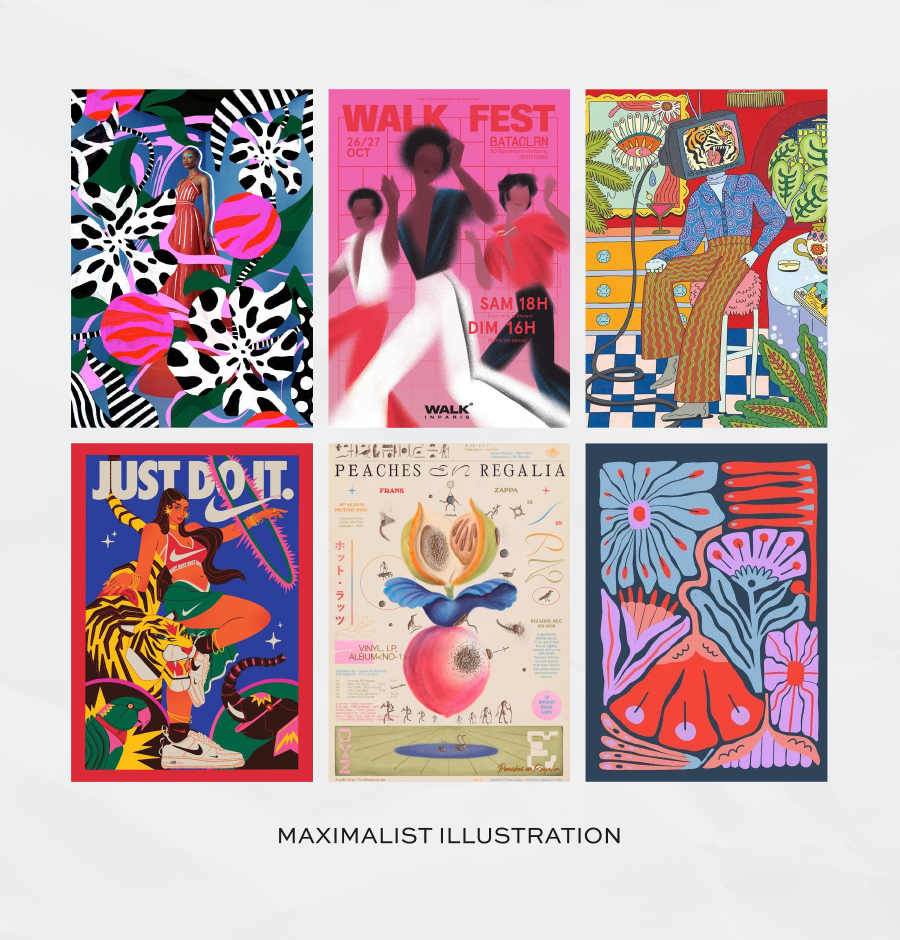
6. Maximalist Illustration
Illustration in 2025 is all about going big—think vibrant, intricately layered artwork that grabs your attention with its energy and detail. Designs this year are busy, colorful, and full of life, inviting viewers to pause and really absorb every nuance.
This trend challenges the notion of “less is more” by encouraging you to celebrate complexity and creativity in every stroke. It’s about crafting visuals that demand a closer look and reward that deeper engagement.
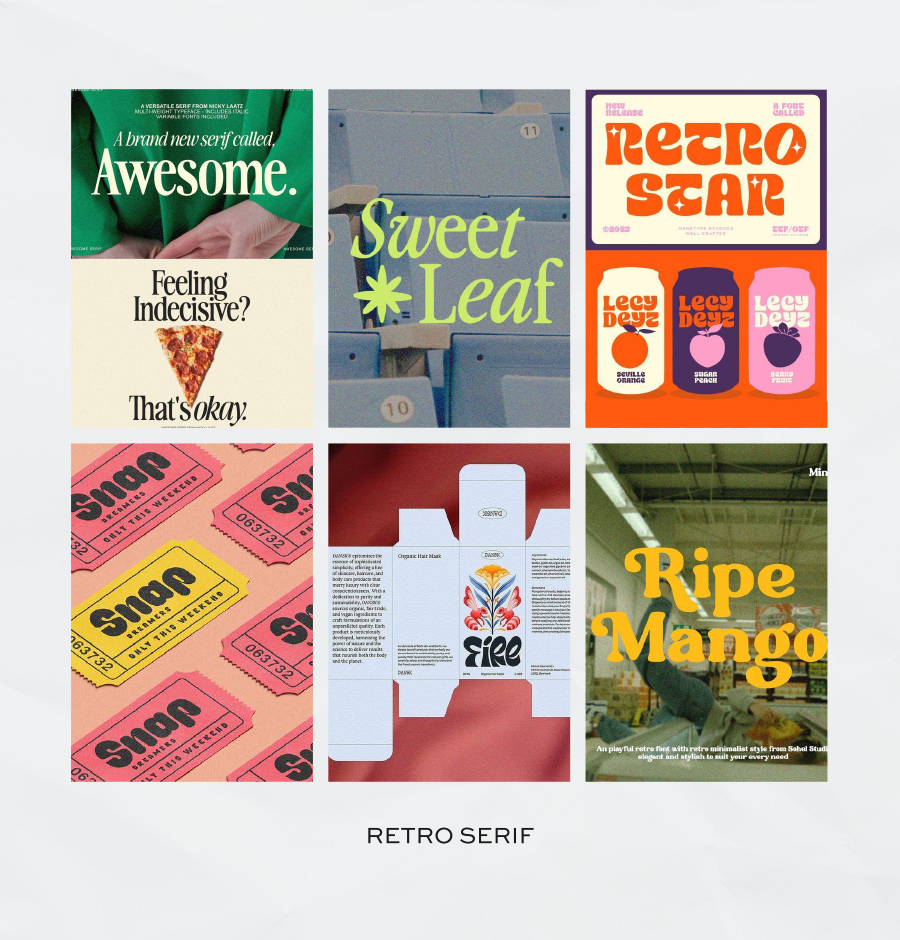
7. Retro Serif Typography
Imagine blending classic retro typography and colors with sleek, contemporary layouts—it creates a design that’s both nostalgic and fresh.
We saw a lot of love for retro serif fonts in branding last year, and that trend is clearly here to stay. It’s like taking a beloved old memory and giving it a cool, modern makeover that feels both familiar and exciting.
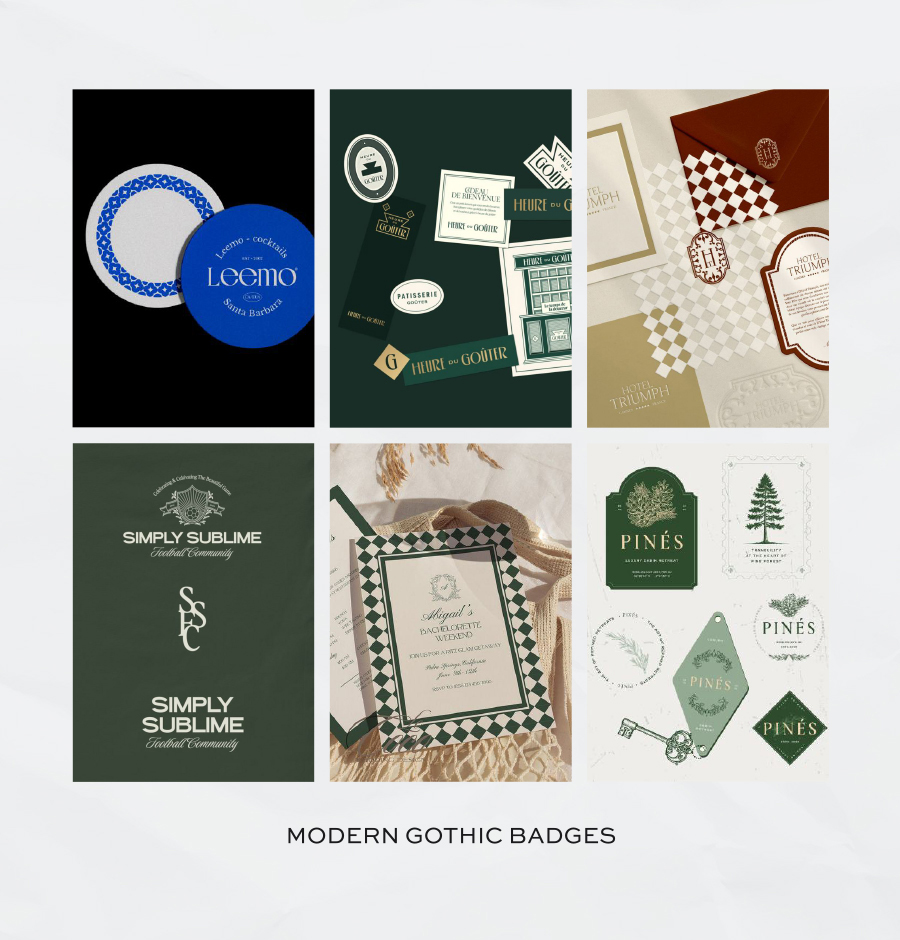
8. Gothic-Inspired Badges and Crests
Modern gothic fonts teamed with vintage-style badges and crests are making waves in branding, packaging, and logos this year. This trend is all about mixing tradition with a fresh twist—it gives off a vibe of solid reliability and a rich history, yet it feels bold and current.
It’s like your brand is telling a story of trusted expertise while sporting a look that’s both classic and cutting-edge. This style isn’t just eye-catching; it builds a sense of confidence and timeless elegance in every design.
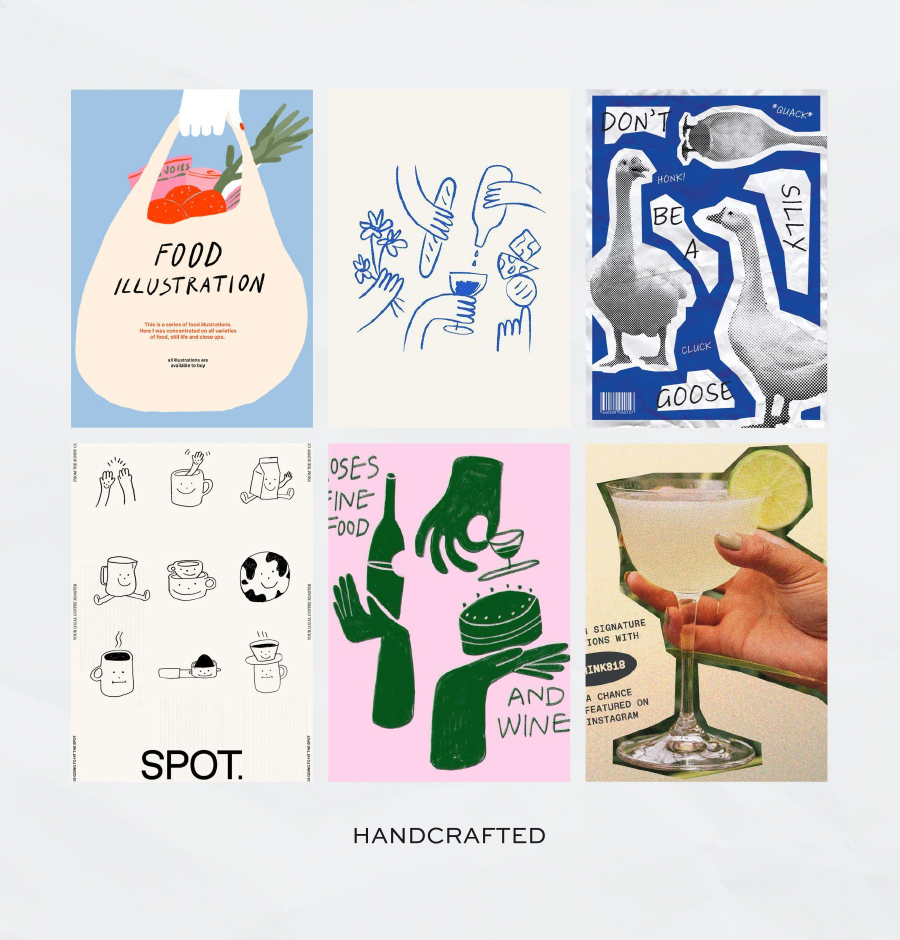
9. Handcrafted Elements
In today’s digital world, where everything often feels overly slick and computer-made, there’s a real craving for something that feels human and a little rough around the edges. Designers are ditching the ultra-polished look for handwritten fonts, earthy textures, and handmade doodles that give their work character—kind of like the charm you find in a well-loved scrapbook.
It’s all about celebrating the beauty of imperfections and the cozy, real vibe of analog art. In 2025, we’re seeing more designs that are warm, authentic, and unmistakably human.
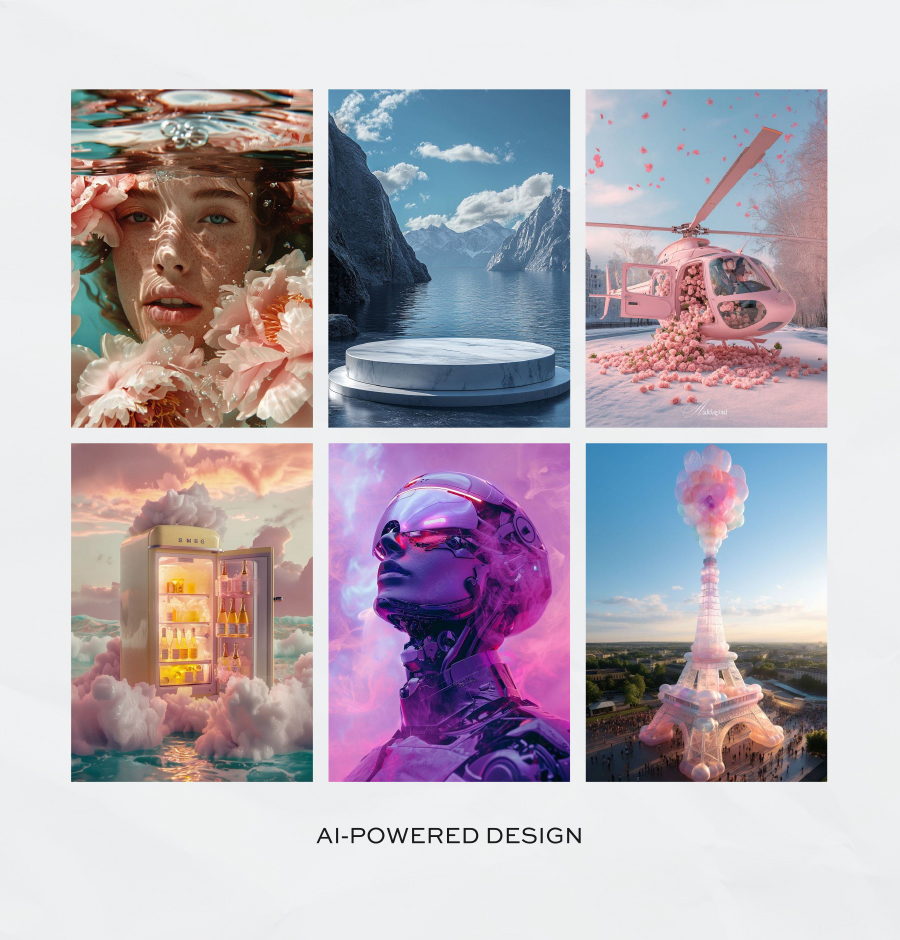
10. AI-Powered Design
AI is no longer just a futuristic concept—it has become an everyday tool for designers looking to enhance their creative process. More and more creatives are using AI as a brainstorming partner, an efficiency booster, and even a source of unexpected inspiration. Whether it’s helping refine a layout, generating fresh ideas, or adding those final touches, AI can take design work to the next level.
But let’s be clear—AI isn’t here to replace designers. Instead, it’s a powerful extension of our creativity, helping those with design skills push boundaries faster and smarter. For non-designers, AI can bring ideas to life that they might struggle to execute. But in the hands of a pro, AI isn’t just useful—it’s transformative.
Which trend are you most excited about? Share this post with a designer friend and voice your views in the comments below.